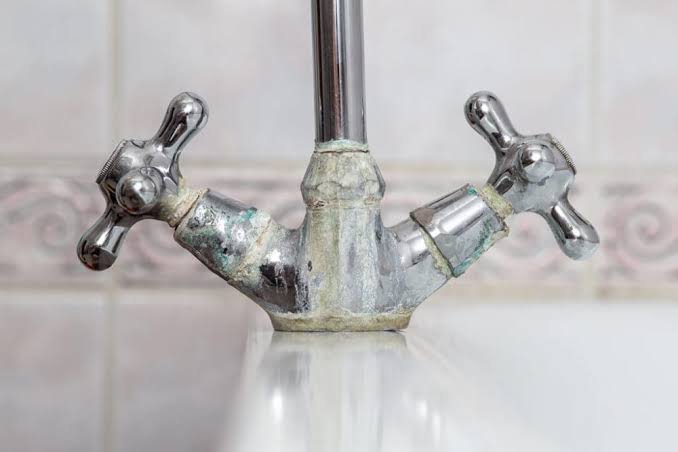

Water is something most of us use dozens of times a day without giving it much thought. We fill the coffee maker, rinse vegetables, take a shower, wash dishes, and grab a glass when we’re thirsty. It’s always there — until the taste changes, a strange odor appears, or mineral deposits start showing up everywhere.
That’s usually when people begin looking into water filtration. And quickly, the choices can get confusing. Reverse osmosis, carbon filters, whole-house systems, softeners… they all sound useful, but they don’t all do the same job.
The smartest place to begin isn’t with a product. It’s with understanding your water and what you actually want to improve.
Start by Understanding Your Water
Before choosing any treatment equipment, consider the source of your water and the problems you’re experiencing.
Municipal water may have a noticeable chlorine taste or odor. Private well water can have issues involving hardness, iron, sulfur, sediment, or other naturally occurring substances. Sometimes there are several concerns at once.
Water testing can help identify what’s present. That’s important because a filter designed to improve taste isn’t necessarily designed to address dissolved minerals or specific contaminants.
Think of it like fixing a car. You wouldn’t replace the engine because the tire is flat. Water treatment works the same way — diagnose first, then choose the solution.
Reverse Osmosis for Drinking Water
For households looking to improve the quality of water used specifically for drinking and cooking, reverse osmosis drinking water systems are often worth considering.
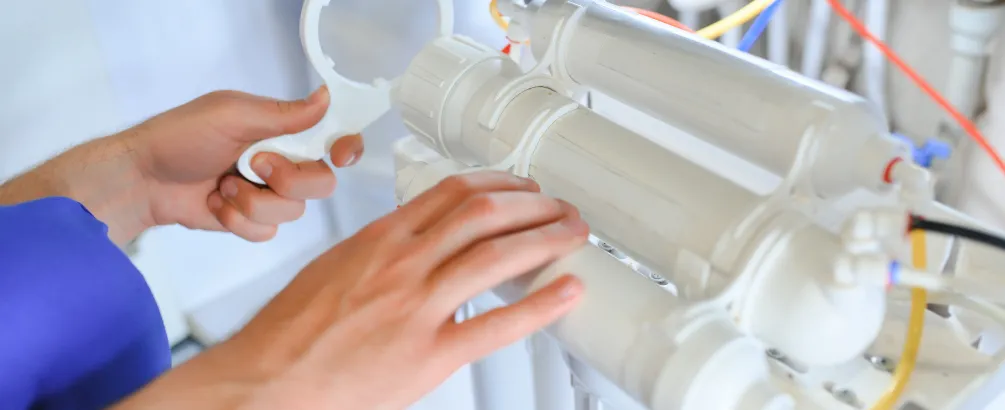
Reverse osmosis uses a semi-permeable membrane to reduce many dissolved substances from water. The treated water is typically delivered through a dedicated drinking-water faucet, making it convenient for filling a glass, preparing meals, or making coffee.
One reason people like RO water is the taste. Depending on the source water, reducing certain dissolved substances can produce water that tastes noticeably cleaner and fresher.
However, reverse osmosis isn’t automatically the answer for every household. These systems require proper installation and periodic maintenance, including filter and membrane replacement. A water professional can help determine whether RO is appropriate for your specific water conditions.
The Simple Power of Carbon Filtration
Sometimes the goal isn’t to remove everything. Maybe you simply want to improve taste and odor.
That’s where carbon filtration can be useful.
Activated carbon is commonly used to reduce chlorine and certain compounds that affect water’s taste and smell. It’s a familiar technology found in everything from countertop pitchers to larger whole-house filtration systems.
One of its biggest advantages is simplicity. Carbon filtration can be an effective option when the primary concern is making water more pleasant to drink or use.
Still, not every carbon filter performs identically. Filter type, size, contact time, and replacement schedule can all affect results. A small cartridge under the sink has very different capabilities from a properly sized whole-house system.
What About Chlorine?
Chlorine has an important role in public water treatment because it helps control microorganisms throughout the distribution system.
But there’s a trade-off many homeowners notice: chlorine can affect the taste and smell of tap water.
For households that don’t enjoy that characteristic flavor, de-chlorination may be part of the treatment strategy. Carbon filtration is commonly used for this purpose, although the right setup depends on water chemistry, household demand, and whether treatment is needed at one faucet or throughout the property.
The key is not to assume chlorine is “bad.” It serves a purpose in treated municipal water. Instead, think about whether reducing its taste or odor makes sense for your household.
Whole-House or Point-of-Use?
This is one of the biggest decisions when choosing filtration equipment.
Point-of-use systems treat water at a specific location, such as a kitchen faucet. They’re useful when drinking and cooking water are the main priorities.
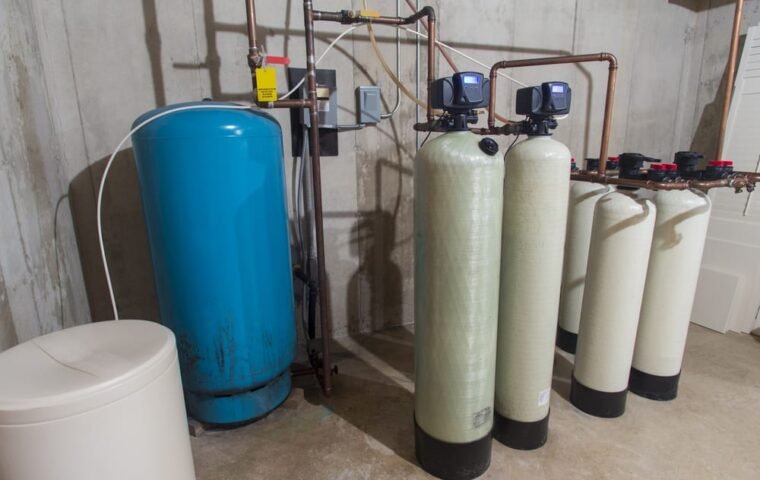
Whole-house systems treat water as it enters the property, providing filtered water throughout the home. That can be especially useful when you’re concerned about taste, odor, sediment, or other issues affecting showers, laundry, bathrooms, and appliances as well.
Neither option is automatically better. It depends on what you’re trying to accomplish.
Don’t Forget About Maintenance
Even a great filtration system needs attention.
Filters become less effective as they accumulate contaminants. RO membranes eventually need replacement. Carbon cartridges have a limited service life. If maintenance is ignored, performance can gradually decline without an obvious warning.
A good maintenance schedule doesn’t have to be complicated. Keep track of installation dates, follow manufacturer recommendations, and replace filters when required.
It’s a small habit that can make a big difference.
Why Professional Advice Can Help
Online research is useful, but water treatment can become surprisingly technical. Two homes can have completely different water conditions, even when they’re relatively close to each other.
A professional can test the water, explain the results, consider household usage, and recommend equipment based on actual needs.
That’s often better than buying a system because it has thousands of reviews or a flashy label promising “pure water.”
The right question isn’t, “What’s the best filter?”
It’s, “What’s the right filter for my water?”
Making the Right Long-Term Choice
A water filtration system should make life easier, not create another chore that you’re constantly worrying about.
Start with testing. Identify the problem. Decide whether you need point-of-use or whole-house treatment. Then compare technologies based on what they can realistically accomplish.
Reverse osmosis can be excellent for drinking water. Carbon filtration can improve taste and odor. De-chlorination can help reduce the noticeable effects of chlorine. But each technology has a particular role.
In the end, good water treatment isn’t about having the most complicated setup in the neighborhood. It’s about choosing equipment that fits your water, your home, and your everyday routine.
When the system is properly selected and maintained, the result can be wonderfully unremarkable — a glass of water that tastes fresh, a shower that feels better, and one less household problem to think about.