

Water is such a normal part of daily life that it’s easy to overlook what’s actually flowing through the pipes. We drink it, cook with it, wash clothes in it, and use it to clean nearly everything. But when water contains high levels of certain minerals, everyday tasks can become surprisingly frustrating.
Hard water is mainly associated with dissolved calcium and magnesium. These naturally occurring minerals aren’t unusual, but when their concentration is high, they can leave scale on fixtures, create spots on dishes, and contribute to deposits inside water-using appliances.
The Everyday Signs of Hard Water
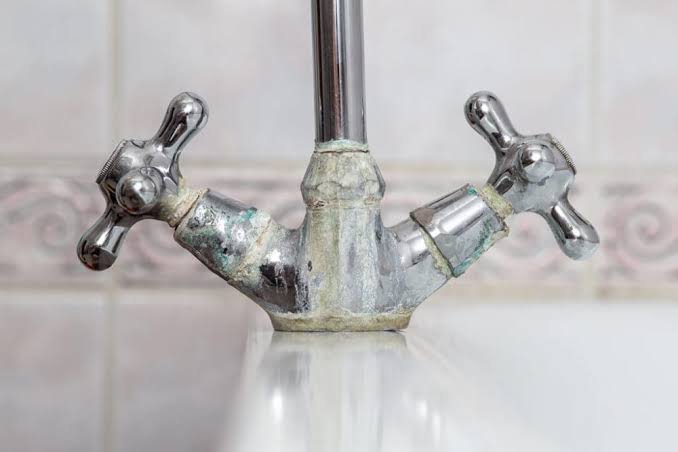
You may have already seen the clues. A white ring around the kitchen faucet. A showerhead that slowly becomes clogged with mineral deposits. Glassware that looks cloudy even after a thorough wash.
These are common signs of hard water.
Mineral scale can also collect inside water heaters, coffee machines, dishwashers, and washing machines. The buildup isn’t always visible, either. Some deposits develop inside pipes and equipment where you won’t notice them until performance starts to decline.
That’s why addressing water hardness can be about more than appearance. It can be a practical home-maintenance decision.
What Does Softer Water Actually Mean?
When people talk about cleaner, softer water, they’re often referring to water that has had its hardness minerals reduced or has been conditioned to minimize the effects of scale.
Softened water can feel noticeably different in the shower. Soap and shampoo may lather more easily, and there may be less mineral residue left behind on surfaces.
Cleaning can become less of a battle, too. Instead of repeatedly scrubbing chalky deposits from faucets and glass, homeowners may find that surfaces stay cleaner for longer.
Of course, softening isn’t the same as removing every contaminant. If your water also contains chlorine, sediment, dissolved metals, or microbiological concerns, another treatment technology may be necessary. Knowing what is actually in the water is the best place to start.
Appliances Feel the Effects, Too
Your household appliances work with water every day, often at higher temperatures than you might realize. That matters because heat can encourage mineral scale to form.
Water heaters are particularly vulnerable to mineral buildup. Over time, deposits can accumulate around heating elements or inside the tank, potentially affecting efficiency and performance.
Dishwashers, washing machines, coffee makers, humidifiers, and other water-using equipment can also be affected by scale.
Reducing hardness may help minimize these deposits, which is one reason homeowners often consider treatment as part of their broader maintenance strategy.
Protecting an Appliance Is About More Than Saving Money
The idea of an extended appliance lifespan is appealing, but it shouldn’t be treated as a guaranteed outcome. Appliance life depends on many factors, including product quality, usage, maintenance, water chemistry, and installation.
Still, reducing scale can help create a less demanding environment for water-using equipment. When deposits are minimized, components may have less mineral buildup to contend with.
That can potentially translate into fewer performance issues and less maintenance over time. Even when the savings aren’t immediately obvious, preventing avoidable buildup is generally a sensible part of caring for expensive household equipment.
Not Every Home Needs the Same Treatment
There’s no universal water-treatment system that makes sense for every property.
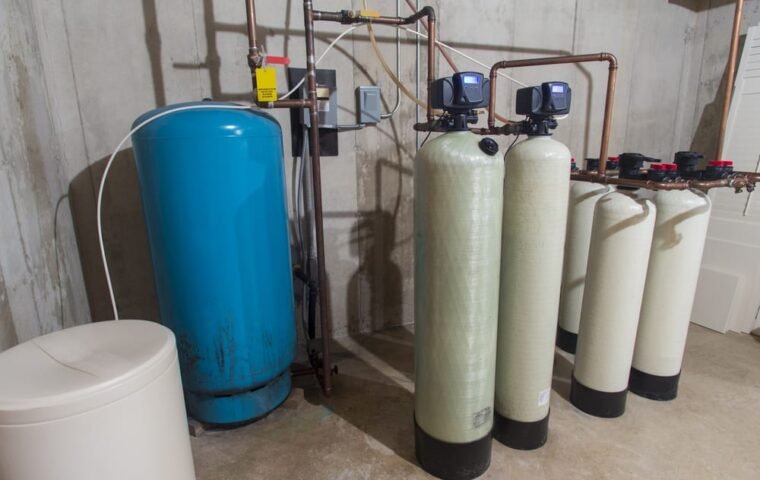
The first step should be understanding your water’s hardness level and identifying any other concerns. A professional water test can provide useful information and help determine whether a traditional softener, scale-conditioning system, filtration system, or combination approach is appropriate.
Household size matters, too. A system designed for a small home may not be suitable for a larger family with heavy water consumption.
It’s tempting to compare systems based only on price, but capacity, maintenance, installation requirements, and long-term operating costs deserve attention as well.
The Benefits Show Up in Small Moments
The most satisfying thing about improving hard water is that the benefits often appear in ordinary places.
A shower that feels better. Fewer spots on the glass. Less residue around the kitchen sink. An appliance that’s easier to maintain. Laundry that comes out feeling cleaner.
None of these changes sounds dramatic on its own. Put them together, though, and the difference can be meaningful.
Water treatment isn’t necessarily about transforming your home overnight. Sometimes it’s about removing a collection of little annoyances that have quietly become part of the routine.
Make the Decision Based on Your Water
If you suspect hard water is causing problems at home, testing is a smarter first step than guessing. Once you understand the mineral content and other characteristics of your supply, you can choose a treatment strategy with much greater confidence.
Reducing hardness can help control scale, improve the everyday feel of water, and support the care of water-using appliances. It won’t solve every possible water-quality concern, but for homes affected by mineral-heavy water, it can be a worthwhile improvement.
Good water treatment is ultimately about fit. Understand the problem, choose the right technology, maintain the system properly, and let the benefits show up naturally in the things you do every day.