Hard water is one of those household problems you can live with for a while without giving it much thought. The shower still runs, the dishes still get clean, and the washing machine keeps doing its job. Then, slowly, little signs start showing up. White marks appear around the faucet. Glassware looks cloudy. Soap doesn’t seem to rinse away properly. Maybe your skin feels dry after a shower, too.
These aren’t just cosmetic annoyances. They can point to minerals in your water gradually affecting plumbing fixtures, appliances, and everyday comfort. Understanding what causes these problems, and knowing what to do about them, can save homeowners plenty of frustration and unexpected repair costs.
What Is Hard Water, Really?
Water becomes hard when it contains relatively high levels of naturally occurring minerals, mainly calcium and magnesium. As groundwater moves through soil and rock, it can pick up these minerals before entering a home’s water supply.
Hard water isn’t generally considered dangerous to drink simply because it’s hard. The bigger issue is what those minerals can leave behind over time.
Think about a kettle you’ve used for months. If you’ve ever noticed a chalky layer inside, you’ve seen the basic idea. Heated water causes dissolved minerals to come out of solution and stick to surfaces. Your plumbing system can experience something similar, although it’s happening inside pipes, water heaters, faucets, and appliances where you can’t easily see it.
That’s where the trouble starts.
How Scale Affects Plumbing Systems
One of the most common consequences of hard water is scale buildup. This is the crusty accumulation that forms when dissolved minerals settle onto plumbing surfaces.
It often begins quietly. A faucet aerator may become partially blocked, or a showerhead might develop uneven water flow. Given enough time, mineral scaling can affect valves, pipes, heating elements, and other components.
Water heaters are especially vulnerable because they heat water continuously. Minerals can settle at the bottom of the tank or coat heating elements. The result may be reduced efficiency, longer heating times, strange popping or rumbling sounds, and eventually expensive maintenance.
In some cases, homeowners don’t realize there’s a problem until water pressure drops or an appliance stops working properly. By then, the buildup has had plenty of time to become stubborn.
Those White Spots Aren’t Just Dirt
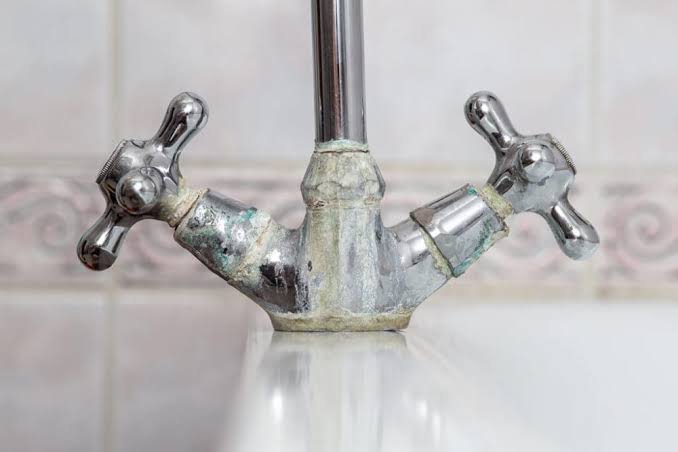
If you’ve ever wiped down a bathroom faucet only to see white spots return a day or two later, you’re probably familiar with mineral deposits.
These deposits commonly appear around faucets, shower doors, sinks, tubs, and kitchen fixtures. They can look like ordinary grime, but regular household cleaning may not remove them easily.
The same thing happens with dishes and glasses. You wash them, they come out of the dishwasher looking clean, and then—once they dry—there’s that cloudy film again. It’s frustrating because you’re not doing anything wrong.
The problem isn’t necessarily your detergent or dishwasher. Hard-water minerals can remain on surfaces after evaporation, leaving behind a noticeable residue.
Over time, these deposits can also make fixtures look older than they actually are. Chrome loses its shine, showerheads become crusty, and faucets may develop restricted flow.
Hard Water Can Make Cleaning More Difficult
There’s another everyday headache that often gets overlooked: hard water changes the way soap behaves.
Calcium and magnesium can react with soap, reducing its ability to lather effectively. That means people may use more soap, shampoo, detergent, or cleaning products to get the results they expect.
In the bathroom, this can contribute to soap scum on shower walls and tubs. On laundry day, clothes may not feel as soft or fresh as you’d like. Towels can sometimes feel stiff rather than fluffy.
It’s not dramatic enough to make you call a plumber immediately. But add up those little annoyances over months and years, and the difference becomes pretty noticeable.
What About Your Water Heater?
Water heaters deserve special attention because they combine water, minerals, and heat—the perfect setup for mineral accumulation.
When minerals settle inside a traditional tank water heater, they can form a layer between the burner or heating element and the water. That can make the system work harder to heat the same amount of water.
In electric models, mineral deposits may coat heating elements. In gas systems, sediment at the bottom of the tank can contribute to unusual noises and reduced performance.
Regular maintenance can help. Depending on the system and local water conditions, flushing the tank may remove some sediment before it becomes a bigger problem. Still, maintenance isn’t always a permanent solution when the incoming water remains very hard.
Can Water Softening Help?
For households dealing with persistent hard-water problems, a water softener can be worth considering.
A properly selected system reduces calcium and magnesium in the water before it travels throughout the home. The goal isn’t simply to make water feel different. It’s to reduce the minerals responsible for many of the deposits and scaling issues homeowners notice.
With soft water, homeowners may see fewer spots on fixtures, less soap scum, and improved performance from certain appliances. Water heaters and plumbing components can also benefit because they’re exposed to fewer scale-forming minerals.
Of course, not every home needs the same setup. Water chemistry, household size, plumbing design, and water usage all matter. A professional water test is usually a smarter starting point than buying a system based on guesswork.
When Filtration and Softening Are Different
It’s easy to assume that one water-treatment system solves every water problem. It doesn’t.
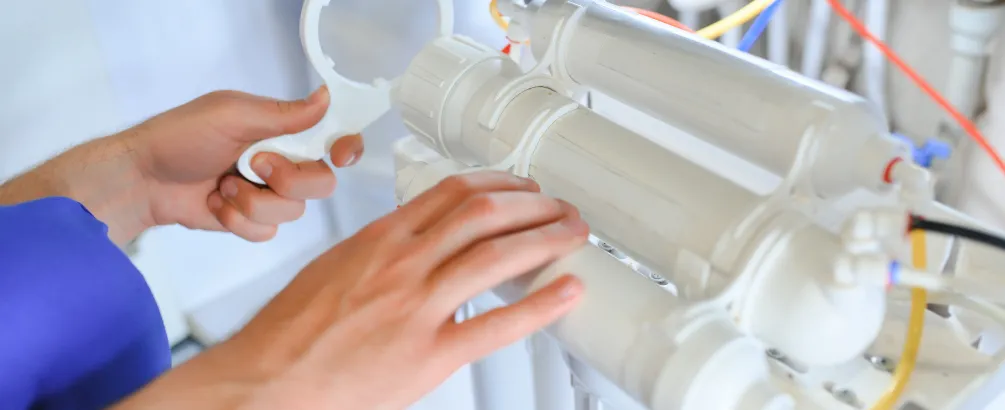
Water softeners primarily address hardness minerals such as calcium and magnesium. Filtration systems, meanwhile, can be designed to reduce specific contaminants or unwanted substances, depending on the technology used.
For example, a household may want filtration for sediment, chlorine, certain metals, or other water-quality concerns while also needing softening for hard water. In that situation, a combination of treatment methods may make more sense than relying on a single device.
The right approach starts with testing. You need to know what’s actually in the water before deciding what needs to be removed.
Simple Signs Your Home May Have Hard Water
You don’t need a laboratory degree to spot some common clues. Look around your home.
You may be dealing with hard water if you notice:
- White or chalky residue around faucets
- Cloudy spots on glassware
- Soap scum that seems unusually stubborn
- Dry-feeling skin or hair after washing
- Reduced flow from showerheads or faucet aerators
- Frequent appliance cleaning or maintenance
- A water heater that makes popping or rumbling noises
- Clothes that feel stiff after washing
None of these signs alone proves that hard water is the cause. But when several appear together, testing the water is a sensible next step.
Protecting Your Home Starts With Knowing Your Water
Water is easy to take for granted because it arrives whenever you turn on a tap. Yet the chemistry of that water can quietly affect a surprising number of things around the house.
Hard water isn’t an emergency, and it isn’t something homeowners need to panic about. But ignoring persistent mineral problems can allow deposits to accumulate and make plumbing maintenance more demanding than it needs to be.
A simple water analysis can tell you what’s happening and help you choose the right treatment instead of spending money on products that don’t address the actual problem.
In the end, good water treatment isn’t about chasing perfectly pristine water just for the sake of it. It’s about making everyday life easier, protecting the equipment you’ve already paid for, and giving your plumbing system a better chance to work well for years. Sometimes, taking care of a home really does come down to paying attention to the small things before they become big ones.