
A water softener isn’t the sort of home equipment most people get excited about. It usually sits quietly in a utility room or basement, doing its job without asking for much attention. And that’s exactly how it should be.
But like any mechanical system, a softener works best when it’s installed properly, looked after regularly, and repaired when something goes wrong.
If you’ve noticed scale around faucets, cloudy glassware, or that familiar rough feeling after washing your hands, you may already understand why water softening matters. The good news is that keeping a system running smoothly isn’t necessarily difficult. It just takes a little awareness.
Start With a Proper Installation
A good system can still perform poorly if it’s installed incorrectly. That’s why water softener installation deserves more attention than simply connecting a few pipes and turning the equipment on.
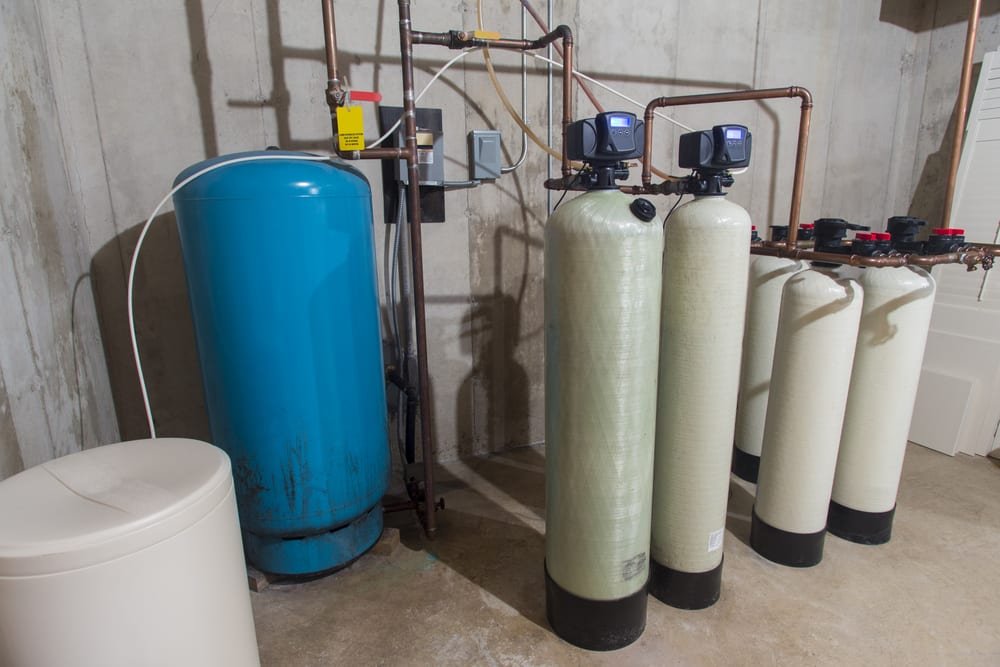
Installation involves more than finding an empty corner in the garage. The system needs appropriate plumbing connections, drainage, electrical access where required, and enough room for maintenance. The softener also needs to be correctly sized for the home’s water usage and hardness level.
Professional installation can help ensure the system is configured correctly from the beginning. It also reduces the chances of leaks, incorrect settings, or poor regeneration performance.
And honestly, getting it right the first time is usually much easier than fixing a problem that started during installation.
Why Correct Sizing Matters
A water softener isn’t a one-size-fits-all appliance.
A small household may use significantly less water than a large family. Water hardness varies from one location to another, too. These factors influence how much softening capacity a system needs and how often it should regenerate.
If a system is undersized, it may run out of capacity too quickly. An oversized unit, on the other hand, may cost more than necessary and could be inefficient for the household.
The goal isn’t to buy the biggest system you can afford. It’s to choose one that matches the actual conditions of your home.
Signs Something May Be Wrong
One of the easiest mistakes homeowners make is ignoring changes because the system still seems to be running.
Maybe scale has started appearing again on your showerhead. Perhaps the water feels different, or the softener seems to regenerate more often than before.
These can be signs that something needs attention.
A system that isn’t producing the expected results could have several possible causes, including incorrect settings, salt-related issues, resin problems, a clogged component, or another mechanical fault.
You don’t necessarily need to panic at the first sign of trouble. But noticing changes early can make troubleshooting much easier.
When You Need Professional Repair
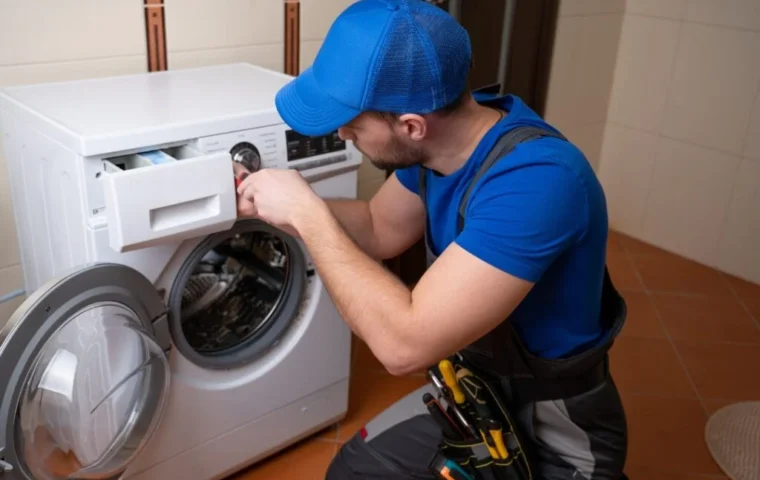
If the system stops working properly, water softener repair may be necessary.
Some issues are relatively straightforward, while others require technical knowledge and replacement parts. A professional can inspect the unit, identify the underlying problem, and determine whether repair is worthwhile.
Common symptoms may include unusual noises, water leakage, poor softening performance, regeneration problems, or control-panel issues.
It’s tempting to search for a quick DIY fix, especially when a repair video makes the job look easy. But water treatment equipment is connected to your home’s plumbing, and an incorrect repair can create leaks or cause additional damage.
When you’re unsure, getting professional help can save time and frustration.
Don’t Wait Until Something Breaks
Preventive care is often cheaper and easier than emergency repairs. That’s where water softener maintenance becomes important.
Regular maintenance can include checking salt levels, inspecting connections, cleaning appropriate components, and reviewing system settings. The exact schedule depends on the equipment and manufacturer instructions.
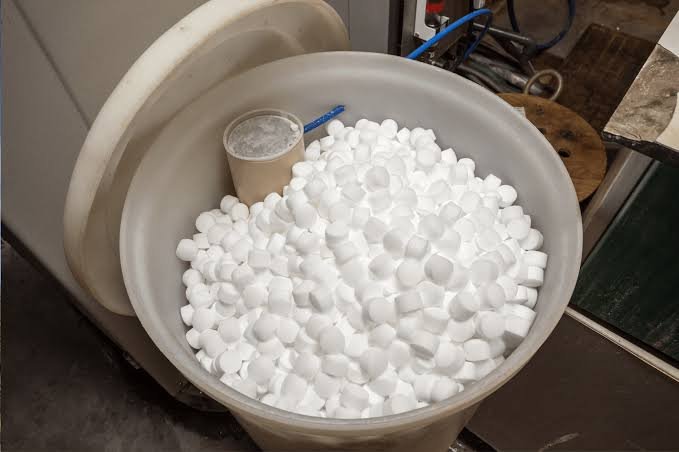
One simple habit is to look at the salt level regularly rather than waiting until the system stops functioning properly.
You should also keep an eye on the area around the unit. A small puddle, damp connection, unusual sound, or sudden change in performance is worth investigating.
These aren’t glamorous household chores, admittedly. But neither is cleaning a clogged drain, and we still do that.
Salt Isn’t the Only Thing to Watch
Many homeowners associate softener care entirely with adding salt. Salt is important for traditional ion-exchange systems, but it isn’t the whole story.
The brine tank may need cleaning periodically. The control valve and other components can require attention. Depending on the system, filters or pre-treatment equipment may also need service.
Water quality itself can change, too. If sediment or other material enters the system, it may affect performance.
Following the manufacturer’s instructions is the safest way to know what your specific unit needs.
Keep an Eye on Water Quality
If softened water suddenly starts feeling hard again, don’t immediately assume the entire system has failed.
Check the obvious things first. Is there enough salt? Has the system been accidentally switched to a different setting? Has a power interruption affected the controls? Is there an issue with water flow?
If the simple checks don’t explain the problem, a professional inspection can help.
It may also be useful to test your water occasionally, particularly if your household water source or plumbing conditions have changed.
Know When Replacement Makes More Sense
Sometimes repair isn’t the best long-term answer.
Older systems can develop repeated problems, become inefficient, or require expensive replacement parts. If you’ve already repaired the same unit several times, it’s worth comparing the cost of continued repairs with the price of a newer, appropriately sized system.
A replacement isn’t automatically necessary just because a system is old. If it’s performing well and maintenance costs remain reasonable, there may be no reason to change it.
The decision should be based on performance, condition, efficiency, and overall cost.
A Little Care Goes a Long Way
A water softener doesn’t need constant attention. What it needs is sensible attention at the right times.
Start with proper installation. Keep up with basic maintenance. Pay attention when performance changes. And don’t hesitate to call a qualified professional when a problem goes beyond simple household checks.
The payoff is pretty straightforward: less scale, better-performing plumbing fixtures, and a system that’s more likely to do its job when you need it.
Good equipment doesn’t have to be complicated. Often, it just needs someone to notice when it needs a little care.