
Water is one of those household essentials we rarely think about until something changes. Maybe your morning coffee doesn’t taste quite right anymore. Perhaps your shower doors constantly collect stubborn white spots, or your dishwasher leaves cloudy marks on every glass. At first, these things seem like small annoyances. Over time, though, they start adding up.
The interesting part is that many of these everyday frustrations have the same root cause—your home’s water.
No two houses receive exactly the same water, even when they’re in the same neighborhood. That’s why choosing the right treatment system isn’t about buying the newest gadget or the most expensive filter. It’s about understanding your water first and selecting a solution that actually fits your home’s unique needs.
When that happens, the improvements often reach far beyond the kitchen sink.
Water Quality Affects More Than Most Homeowners Expect
People usually associate water treatment with drinking water, but water plays a much bigger role throughout the house.
Every shower, load of laundry, dishwasher cycle, coffee pot, and water heater depends on the quality of the water flowing through your plumbing. Minerals, chlorine, sediment, and naturally occurring compounds may not always be visible, yet they can slowly influence appliance performance, plumbing efficiency, and even personal comfort.
Hard water can shorten the lifespan of household equipment. Excess minerals leave residue on fixtures, while chlorine may affect taste and odor. None of these issues are necessarily emergencies, but together they can quietly increase maintenance costs over time.
The good news is that many of these challenges are completely manageable once they’re properly identified.
Every Home Requires a Different Approach
It’s tempting to assume there’s one perfect water treatment system for everyone.
There isn’t.
A family using municipal water has different priorities than someone relying on a private well. Older homes may have plumbing concerns that newer homes don’t experience. Household size, daily water consumption, and regional water conditions all influence which solution makes the most sense.
That’s why professional testing is always a smarter starting point than buying equipment based solely on advertisements or online reviews.
Understanding the actual characteristics of your water eliminates guesswork and helps ensure every recommendation solves a real problem instead of treating symptoms.
Why custom filtration systems Deliver Better Long-Term Results
Generic water filters certainly have their place, but they’re designed to address broad concerns rather than the specific conditions inside your home.
That’s where custom filtration systems stand apart.
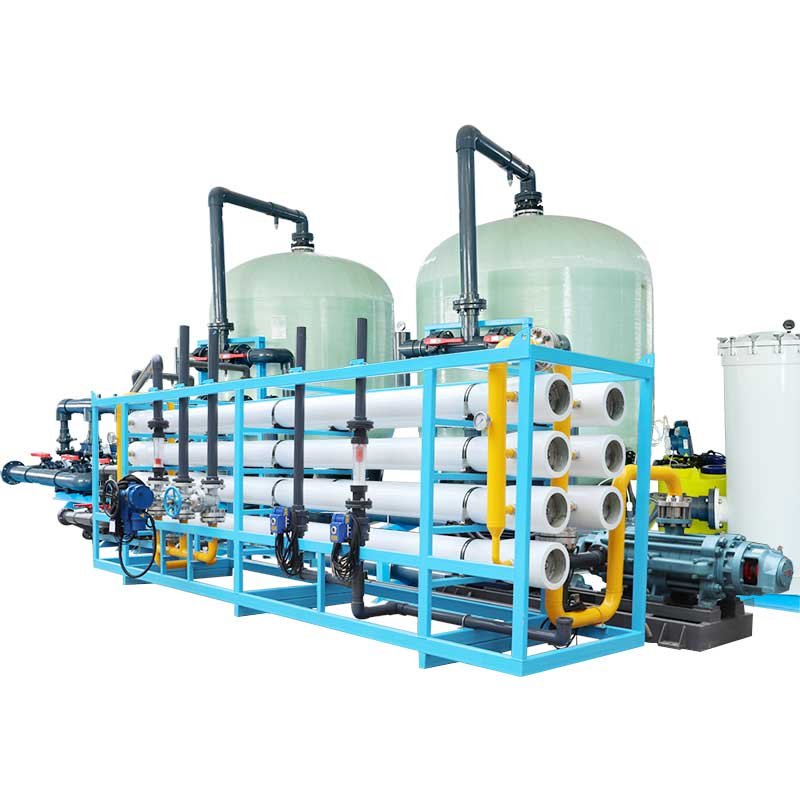
Instead of relying on a one-size-fits-all approach, customized filtration is built around detailed water analysis. Professionals evaluate mineral content, sediment levels, chlorine concentration, water pressure, household usage, and other important factors before recommending equipment.
The result is a system designed specifically for your property.
This tailored approach often provides better water quality while avoiding unnecessary equipment or oversized systems that cost more without delivering additional value.
It’s a practical investment rather than a guess.
Hard Water Is More Than Just a Cosmetic Issue
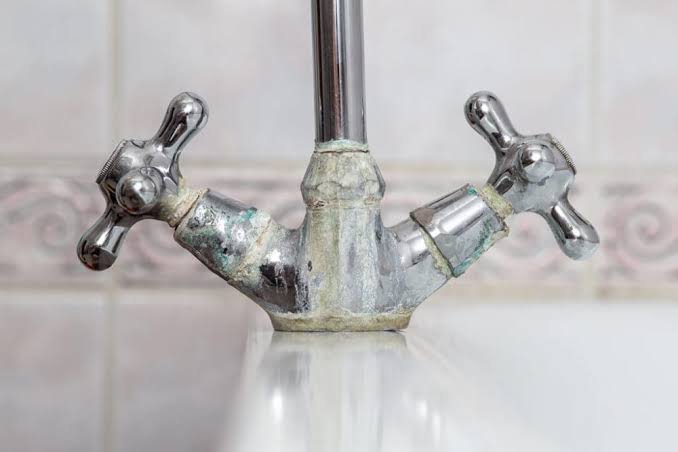
Many homeowners think hard water is simply responsible for white spots on faucets or shower glass.
Those visible stains are actually just part of the story.
Minerals dissolved in hard water gradually accumulate inside water heaters, washing machines, dishwashers, plumbing lines, and other appliances. As scale builds up, equipment works harder, efficiency decreases, and maintenance requirements often increase.
That’s why water softening solutions remain one of the most popular options for households experiencing elevated hardness levels.
By reducing mineral buildup, softening systems help protect appliances, improve soap performance, reduce cleaning time, and often extend the lifespan of expensive household equipment.
Over the years, those benefits can translate into significant savings.
Drinking Water Deserves Special Attention
While whole-house treatment improves water throughout the home, many families also want the highest possible quality for drinking and cooking.
That’s perfectly understandable.
Water used for beverages and meal preparation directly affects flavor, making even small improvements noticeable. Coffee, tea, soups, ice cubes, and cooking ingredients all benefit from cleaner water.
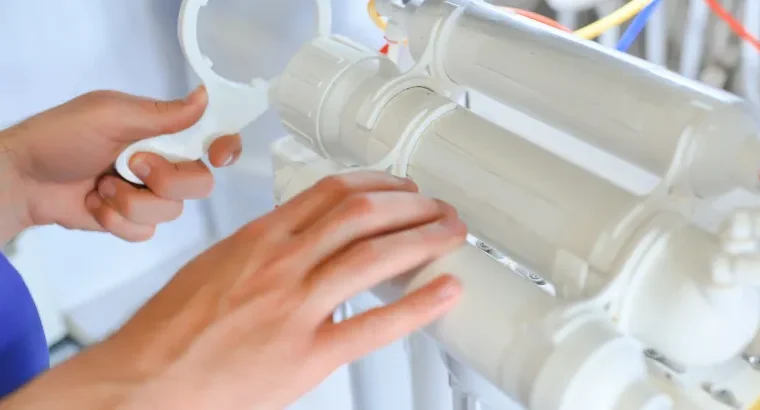
For homeowners seeking exceptionally clean drinking water, reverse osmosis systems offer an effective solution.
These systems use advanced filtration technology to reduce a wide range of dissolved contaminants while improving clarity and taste. Many families appreciate having a dedicated source of high-quality drinking water available directly from the kitchen tap.
It’s a simple upgrade that often becomes one of the most appreciated features in the home.
Better Water Improves Everyday Comfort
One of the most surprising things about improving water quality is how many small daily experiences become more enjoyable.
Laundry feels softer. Soap lathers more easily. Skin often feels less dry after showering. Glassware looks cleaner, and bathroom fixtures require less scrubbing to stay shiny.
Even appliances tend to perform more efficiently because they’re no longer working against constant mineral buildup.
These changes don’t dramatically transform life overnight.
Instead, they quietly improve dozens of everyday routines in ways homeowners gradually begin to notice and appreciate.
Sometimes the biggest improvements are the ones you stop thinking about because everything simply works better.
Choosing the Right System Is About More Than Equipment
Buying water treatment equipment without testing your water is a little like buying prescription glasses without having an eye exam.
You might get lucky.
More often, though, you’ll end up with something that doesn’t fully solve the problem.
Professional water evaluations identify exactly what’s affecting your home’s water before recommending any treatment system. That means homeowners invest in solutions they actually need rather than products that simply sound impressive.
It’s a smarter, more efficient way to protect both your home and your budget.
Investing in Prevention Pays Off
Every homeowner understands preventative maintenance.
We replace HVAC filters before airflow suffers. We change engine oil before mechanical problems develop. Roof inspections happen before major leaks appear.
Water quality deserves the same mindset.
Addressing issues early helps protect plumbing, extend appliance lifespan, improve efficiency, and reduce long-term maintenance costs. Instead of reacting to expensive repairs later, homeowners create a healthier, more reliable water system today.
Better Water Starts with Better Decisions
The best water treatment system isn’t necessarily the biggest or most expensive one.
It’s the one that’s designed around your home’s specific needs.
When you understand your water and choose equipment based on accurate testing rather than assumptions, every improvement becomes more meaningful. Drinking water tastes better, household systems last longer, maintenance becomes easier, and daily routines feel just a little more comfortable.
Water quietly touches nearly every part of life inside a home. Taking the time to improve it isn’t simply about cleaner water—it’s about creating a home that works more efficiently, feels more comfortable, and stays protected for years to come. Sometimes the smartest investment isn’t the one you notice immediately. It’s the one that keeps making everyday life a little easier, one glass of water at a time.