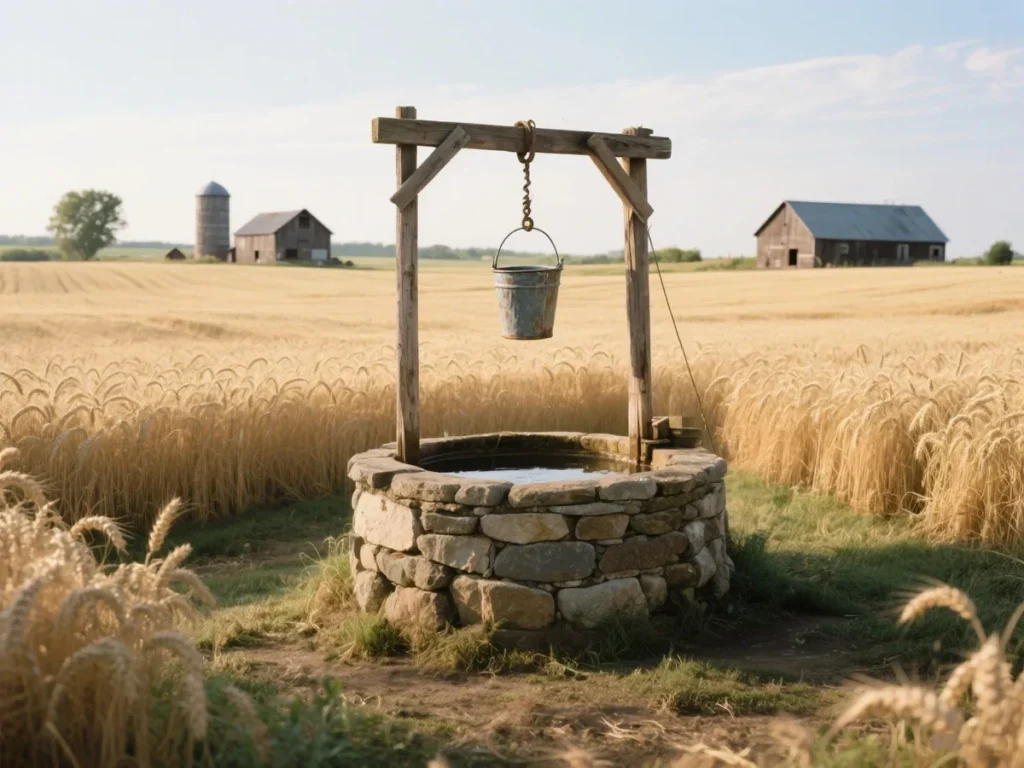
There’s something reassuring about having your own well. It feels independent, dependable, and in many cases, the water tastes fresher than what comes from a municipal supply. But owning a private well also comes with responsibility. Unlike city water, which is routinely monitored, your household water depends largely on you to ensure it’s clean, balanced, and safe.
The surprising part? Many well owners don’t realize anything is wrong until the signs become impossible to ignore. Maybe the sink starts showing reddish stains, the water smells a little unusual, or the shower suddenly leaves your skin feeling dry. By then, the issue has often been present for quite some time.
Regular testing and maintenance aren’t just about avoiding problems—they’re about understanding your home’s water before small concerns turn into expensive repairs or health worries.
Every Well Has Its Own Personality
One of the fascinating things about private wells is that no two are exactly alike. Even neighboring properties can have completely different water conditions because underground geology varies from one location to another.
Rainfall, seasonal groundwater movement, nearby agriculture, natural rock formations, and even aging well equipment all influence what eventually reaches your faucet. That’s why assumptions rarely work when it comes to well water.
Professional water analysis provides a complete picture instead of relying on guesswork. Knowing exactly what’s present helps homeowners choose solutions that actually fit their needs rather than spending money on unnecessary equipment.
Hard Water Is More Than a Minor Annoyance
Many homeowners assume hard water is simply a cosmetic issue. White spots on dishes or stubborn buildup around faucets can seem harmless enough. In reality, those visible signs often point to a larger issue happening throughout the plumbing system.
Water containing elevated hardness minerals slowly deposits scale inside pipes, water heaters, washing machines, and dishwashers. Over time, appliances become less efficient, heating elements work harder, and maintenance costs begin creeping upward.
Hard water also affects everyday comfort. Soap doesn’t rinse as easily, laundry may feel stiff, and shampoo often leaves hair feeling less manageable. These aren’t emergencies, but they certainly make daily routines a little less enjoyable.
Addressing water hardness early helps protect both your home’s plumbing and the appliances you depend on every day.
Natural Minerals Can Create Unexpected Problems
Groundwater naturally passes through layers of soil and rock before entering your well. Along the way, it dissolves various minerals that become part of your water supply.
One common example is iron. Although it’s a naturally occurring mineral, elevated concentrations can create frustrating household problems. Rust-colored stains on sinks, toilets, bathtubs, and laundry are usually the first clues. Some homeowners also notice a metallic taste or discoloration in drinking water.
Fortunately, these issues are highly manageable once they’re properly identified. Water treatment systems designed specifically for iron removal can dramatically improve both appearance and taste while protecting plumbing fixtures from staining.
The important step is accurate testing first. Treating water without understanding what’s actually present often leads to disappointing results.
Regular Testing Brings Peace of Mind
Testing isn’t something that should happen only when there’s an obvious problem.
Water conditions change over time. Heavy rainfall, flooding, seasonal groundwater fluctuations, nearby construction, or changes in surrounding land use can all influence what enters a private well.
Routine water analysis allows homeowners to monitor these changes before they become significant. Instead of reacting to problems after they appear, you’re staying ahead of them.
That’s especially valuable for families with young children, older adults, or anyone with health conditions that may increase sensitivity to water contaminants.
Maintenance Is Just as Important as Testing
Testing identifies problems, but ongoing maintenance keeps systems performing properly.
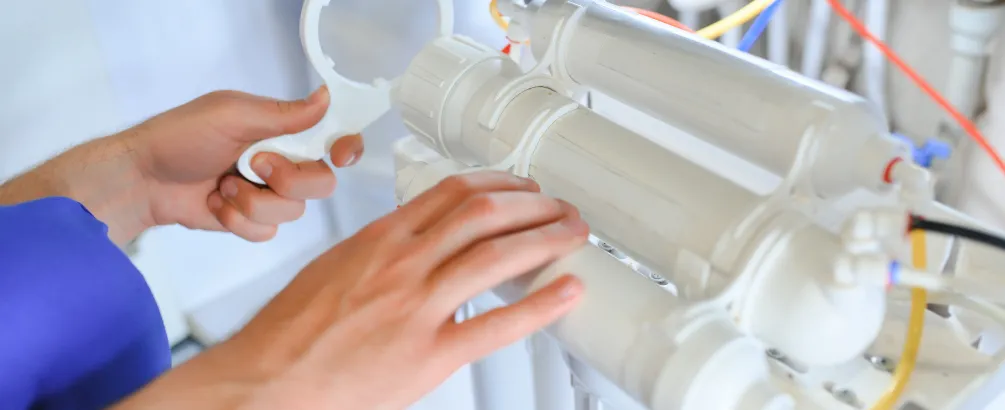
Water softeners require periodic servicing. Filtration systems need replacement cartridges. Pressure tanks, pumps, and treatment equipment all benefit from regular inspections. Skipping maintenance often reduces system efficiency and shortens equipment lifespan.
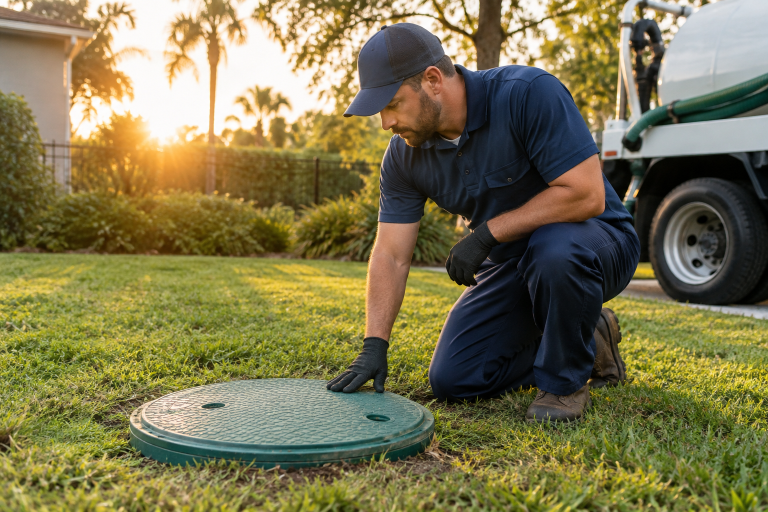
Scheduling professional well water service ensures your equipment continues working the way it was designed. Experienced technicians can identify worn components, adjust system settings, sanitize equipment when needed, and help prevent unexpected breakdowns before they interrupt your household.
Think of it like maintaining your heating and cooling system. A little routine care usually costs far less than emergency repairs.
Better Water Improves Everyday Living
It’s easy to overlook how much water affects everyday comfort until improvements become noticeable.
Fresh drinking water tastes cleaner. Coffee and tea often have a smoother flavor. Soap creates richer lather, dishes come out cleaner, and shower doors stay clearer with fewer mineral deposits.
Many homeowners even notice softer laundry, shinier fixtures, and less time spent scrubbing bathroom surfaces after improving their water quality.
These changes aren’t dramatic overnight transformations—they’re gradual improvements that quietly make everyday life a little easier.
Choosing the Right Treatment Matters
One mistake homeowners sometimes make is purchasing water treatment equipment before understanding their specific water conditions.
A filtration system that works perfectly for one household may accomplish very little in another. Some homes need only sediment filtration, while others benefit from softeners, iron removal systems, reverse osmosis units, or combinations of multiple technologies.
Professional testing removes the guesswork. Instead of chasing symptoms, you’re solving the actual problem.
That’s both more effective and more economical over the long term.
Final Thoughts
Owning a private well offers independence and access to naturally sourced groundwater, but it also means taking an active role in protecting your household’s water supply.
Regular testing, routine maintenance, and appropriate treatment create confidence that every glass of water, every load of laundry, and every shower is supported by water that’s performing the way it should.
The reality is simple: small investments in water care today often prevent much larger expenses tomorrow. Whether you’re dealing with naturally occurring minerals, aging equipment, or simply wanting greater peace of mind, understanding your well water is one of the smartest decisions a homeowner can make.
Good water isn’t something to take for granted. It’s something worth understanding, protecting, and maintaining—for your home, your family, and the years ahead.