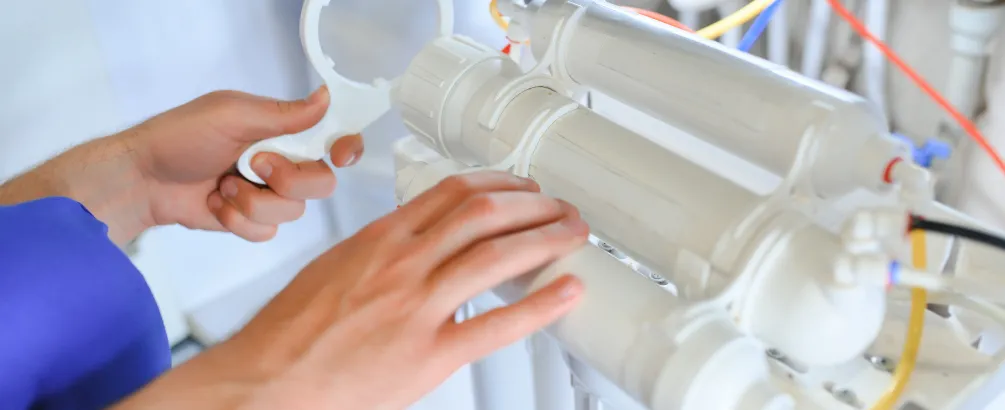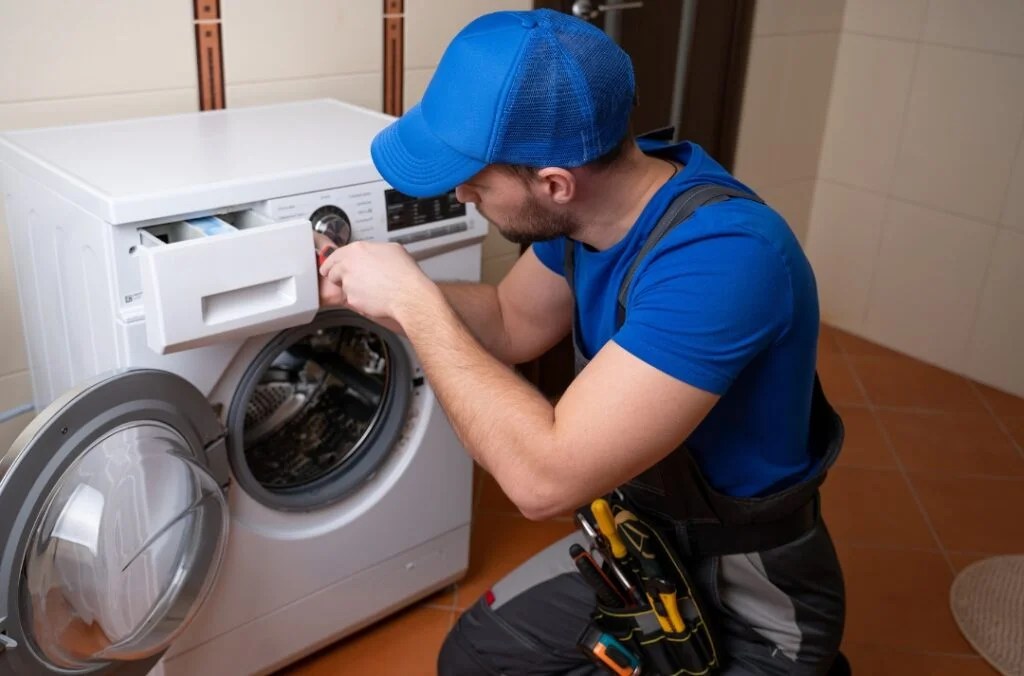
A home doesn’t usually demand your attention all at once. Instead, it whispers. A cabinet door starts hanging slightly crooked. The bathroom fan makes a strange noise. A shelf feels a little loose. The washing machine starts vibrating more than it used to.
Most of us notice these things, make a mental note, and carry on.
That’s understandable. Life is busy. There are jobs, family responsibilities, errands, and a hundred other things competing for attention. Still, keeping up with small household tasks can make a surprisingly big difference. A home that is looked after regularly tends to feel more comfortable, safer, and less stressful.
And no, that doesn’t mean spending every weekend with a toolbox in your hand.
Why Small Maintenance Tasks Matter
Regular maintenance is mostly about prevention. You’re looking for small problems before they become expensive ones.
Think about a dripping tap. It might seem harmless at first, but constant moisture can damage surrounding surfaces and waste water. A clogged dryer vent may reduce efficiency and create a potential safety concern. A loose handrail can become genuinely dangerous if someone relies on it.
The key is consistency.
You don’t need to inspect every corner of the house every week. A simple routine works better. Check visible plumbing, look for signs of moisture, inspect doors and windows, test smoke and carbon monoxide alarms where applicable, and pay attention to unusual noises.
Your home tends to tell you when something is wrong. Don’t ignore the hints.
Keep an Eye on the Things You Use Every Day
The busiest parts of a home often show wear first.
Kitchen cabinets are opened constantly. Bathroom fixtures are exposed to moisture. Entry doors are used dozens of times. Floors deal with footsteps, furniture, pets, and the occasional dropped object.
Because these areas are so familiar, it’s easy to stop noticing gradual changes.
A door that used to close smoothly may now need a push. A drawer might be scraping against its frame. A faucet could be taking longer to drain.
These aren’t always emergencies, but they’re useful signals. Addressing them early can prevent a minor annoyance from becoming a larger repair.
Assembly Doesn’t End With the Last Screw
Flat-pack furniture and household products have made home projects more accessible than ever. But proper assembly requires more than getting everything to look roughly right.
Instructions should be followed carefully, especially when a product has weight-bearing or safety-related components. Screws, bolts, brackets, and fasteners should be appropriate for the material and tightened correctly without damaging the product.
A wobbly bookshelf isn’t just irritating. If it’s tall or heavily loaded, it can become a tipping hazard.
Take your time during assembly. Check that parts are aligned before tightening everything. If something doesn’t seem to fit, don’t force it. Usually, that’s a sign that something earlier in the process needs another look.
It sounds basic, but patience saves a lot of rework.
Your Appliances Need Attention Too
Modern homes depend heavily on appliances. Refrigerators, ovens, washing machines, dishwashers, dryers, and other equipment quietly handle tasks we don’t want to think about.
Because they work in the background, maintenance often gets forgotten until something stops working.
Keeping appliance manuals and warranty information somewhere accessible can help. So can cleaning filters, checking hoses, removing built-up debris, and following the manufacturer’s recommended care instructions.
Don’t ignore strange smells, unusual noises, excessive vibration, or sudden changes in performance. A machine doesn’t always fail without warning.
Sometimes it complains first.
A Clean Home Is Easier to Maintain
Cleaning isn’t just about appearances. It can also help you notice problems.
When surfaces are covered with clutter, it’s harder to spot water stains, cracks, loose fittings, or signs of wear. Keeping important areas reasonably clear makes inspection easier.
This doesn’t mean your house needs to look like a showroom. Real homes have laundry piles and toys and the occasional mystery object sitting on the stairs for three days.
The goal is simply to keep enough order that problems aren’t hidden from view.
Know What You Can Safely Handle
There is a lot of satisfaction in fixing something yourself. A small repair completed with your own hands can feel oddly rewarding.
But confidence should have limits.
Jobs involving electrical systems, gas lines, major plumbing, structural components, or difficult installations can carry genuine risks. If you don’t understand the system or don’t have the right tools, hiring a qualified professional is often the smarter choice.
Saving money isn’t useful if a rushed DIY project creates a bigger problem.
Create a Simple Home Checklist
One of the easiest ways to stay organised is to keep a basic maintenance list.
Divide tasks by frequency. Some things need occasional attention, while others can be checked seasonally or annually.
You might include:
- Checking visible plumbing for leaks
- Cleaning appliance filters
- Testing safety alarms
- Inspecting doors and windows
- Checking outdoor drainage
- Looking for signs of moisture
- Tightening loose hardware
- Reviewing older appliances for unusual behaviour
You don’t have to finish everything in one day. Ten minutes here and there can make a difference.
Think Long-Term, Not Just About Today
Good household care is partly about protecting future you.
Spending a little time cleaning a filter today could help equipment operate more efficiently. Fixing a loose fixture now might prevent damage later. Catching moisture early can save you from a much more unpleasant repair down the road.
It isn’t exciting, admittedly. Nobody dreams about spending Saturday morning checking seals and tightening cabinet handles.
But future-you may be grateful.
A Well-Maintained Home Feels Better
A comfortable home isn’t necessarily the newest or most expensive one. Often, it’s simply a home where things work the way they’re supposed to.
Doors close properly. Appliances run without alarming noises. Furniture feels secure. Small problems don’t have months to grow into bigger ones.
That kind of comfort comes from ordinary habits rather than dramatic renovations.
So the next time you notice a loose handle, a strange appliance noise, or a little job you’ve been putting off, don’t automatically dismiss it. Make a note. Deal with it when you can.
Home care isn’t about perfection.
It’s about paying attention—and doing the small things that keep everyday life moving along without unnecessary headaches.