Water has a funny way of becoming part of the background. We use it all day, every day, without really thinking about it. Then one morning you notice spots on your glasses, buildup around the showerhead, or soap that just refuses to rinse properly. Suddenly, water quality is no longer an abstract idea. It’s right there in the bathroom.
For many households, the culprit is hard water. It isn’t necessarily dangerous, but the minerals dissolved in it can create plenty of everyday headaches. The good news is that modern water treatment options can make those problems much easier to manage. The key is choosing a solution that fits your home rather than simply buying whatever system has the biggest advertisement.
What Exactly Is Hard Water?
Hard water contains elevated levels of naturally occurring minerals, mainly calcium and magnesium. As groundwater travels through rock and soil, it picks up these minerals along the way. Depending on the local geology, some areas have much harder water than others.
You may notice hard water through simple clues: cloudy glasses, mineral deposits around faucets, dry-feeling skin, or scale accumulating inside appliances. Over time, that buildup can affect water heaters, dishwashers, washing machines, and plumbing fixtures.
It’s one of those problems that starts small. A little white residue here, a little extra cleaning there. Eventually, though, it becomes part of the household routine.
How Water Softeners Help
Traditional water softeners are designed to reduce hardness minerals through a process called ion exchange. Inside the softener is a resin that attracts calcium and magnesium from the water. During regeneration, those trapped minerals are flushed away so the resin can continue working.
For homeowners dealing with significant hardness, the difference can be noticeable. Soap may lather more easily, scale can become less troublesome, and appliances that use heated water may face less mineral buildup.
Of course, a softener isn’t a magic solution for every water issue. It primarily targets hardness, so other concerns may require filtration or a different treatment method.
Why the Right System Size Matters
Bigger isn’t always better. A water softener needs to be appropriately sized for the household’s water usage and hardness level.
A system that’s too small may regenerate more frequently than necessary. One that’s much larger than needed could mean paying for equipment and capacity you don’t really use.
Household size, daily water consumption, and water hardness all play a role. A family of six with several bathrooms has different requirements from a couple living in a small apartment.
This is one reason professional assessment can be useful before making a purchase.
The Convenience of Salt Delivery
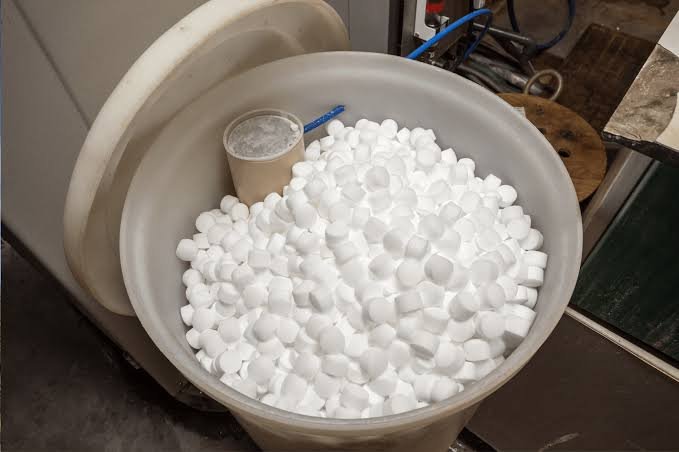
Salt-based softeners need salt for regeneration, and keeping the supply stocked is simply part of owning one. The problem? Those bags aren’t exactly lightweight, and remembering when you need more isn’t always at the top of anyone’s weekend to-do list.
That’s where salt delivery can make life easier. Scheduled or on-demand delivery means the salt arrives at your property instead of requiring a trip to the store, loading heavy bags into the car, and dragging them into the house.
For busy families, older homeowners, offices, and larger properties, that convenience can be surprisingly valuable. Sometimes good service isn’t about something complicated. It’s about removing one annoying chore from the list.
Does Every Home Need a Softener?
Not necessarily.
If your water has only mild hardness and you’re not experiencing noticeable problems, installing a full softening system may not provide enough benefit to justify the cost.
Water testing is a sensible place to start. A test can help determine the hardness level and provide information about other characteristics of the water. Once you know what you’re dealing with, the decision becomes much less of a guessing game.
It’s better to treat a real problem than to buy equipment simply because someone told you that every home needs it.
Tailored Water Treatment Makes More Sense
Water quality isn’t identical from one property to another. That’s why tailored water treatment can be a better approach than a standard package that treats every household exactly the same.
Maybe your main concern is hardness. Perhaps you also have sediment, an unpleasant taste, or another specific issue. In that case, combining appropriate technologies may make more sense than relying on a single device.
A thoughtful treatment plan starts with the water itself. Testing, understanding the household’s needs, and considering long-term maintenance can help create a system that’s effective without being unnecessarily complicated.
Don’t Forget About Maintenance
Even a well-designed water treatment system needs attention. Salt levels need checking, regeneration needs to happen correctly, and certain components may require periodic servicing.
The good news is that most routine tasks are manageable. Keep an eye on the system, follow the manufacturer’s recommendations, and don’t ignore changes in performance.
If water suddenly tastes different, pressure changes, or the system starts behaving strangely, investigate sooner rather than later. Small problems are usually easier—and cheaper—to solve.
Look Beyond the Purchase Price
When comparing water treatment systems, the initial price is only part of the story.
Think about salt consumption, replacement parts, service costs, installation, electricity, and expected equipment life. A system that looks inexpensive at first may cost considerably more over several years if it requires frequent maintenance or expensive components.
Ask for a realistic picture of ongoing costs. A trustworthy provider should be able to explain what you’ll spend after installation, not just what the equipment costs today.
Better Water Should Make Life Simpler
The purpose of water treatment isn’t to turn your home into a technical laboratory. It’s to solve practical problems.
For some households, that may mean reducing scale and protecting appliances. For others, it may mean making showers, laundry, and cleaning easier. And sometimes the biggest benefit is simply not having to scrub mineral deposits from every faucet in the house.
Start with testing, understand your water, and choose treatment equipment based on actual needs. If you use a salt-based softener, keep the system maintained and consider delivery services if handling salt becomes a nuisance.
In the end, the best water treatment setup is the one you barely have to think about. It quietly does its job in the background, while you get on with everything else—which, really, is exactly what good home equipment should do.