
Water has a funny way of becoming invisible when everything is working properly. Employees fill coffee mugs without thinking twice, production lines keep moving, customers enjoy clean restrooms, and equipment quietly does its job. It all feels routine—until a problem shows up.
A boiler begins losing efficiency. Ice machines need frequent repairs. Glassware comes out cloudy. Suddenly, what seemed like a simple utility becomes a costly operational concern.
It’s easy to assume municipal water is always “good enough,” but commercial facilities place far greater demands on water than the average household. Different industries, different buildings, and even different neighborhoods experience unique challenges that can affect performance over time.
That shift in thinking is why businesses of every size are taking a closer look at how water flows through their operations. They’re discovering that investing in smarter water management isn’t just about cleaner water—it supports efficiency, reliability, and long-term savings.
Every Business Uses Water Differently
A manufacturing facility doesn’t rely on water the same way a hotel does. Likewise, a healthcare clinic has completely different priorities than a restaurant or office building.
Some businesses need ultra-clean water for production processes, while others simply want to reduce mineral buildup inside plumbing systems. Understanding these differences is the first step toward making smart decisions.
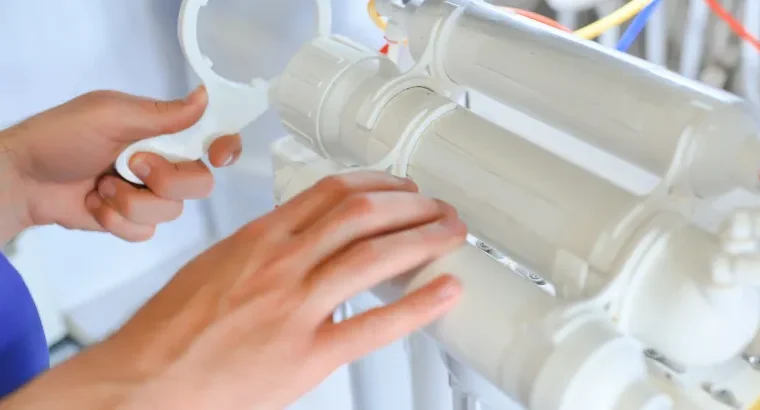
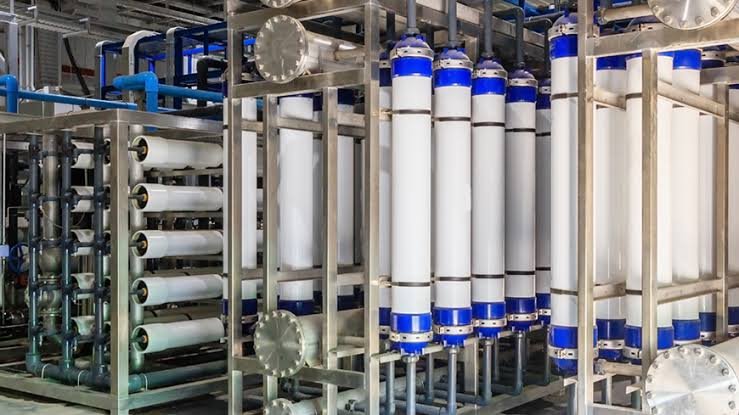
Instead of relying on generic systems, many organizations are choosing commercial water treatment solutions designed around their specific requirements. That customized approach helps businesses solve real problems rather than paying for features they don’t actually need.
Whether the goal is reducing sediment, softening hard water, filtering chlorine, or removing unwanted contaminants, the right solution starts with understanding how water is being used every day.
Small Water Issues Often Become Big Expenses
One of the biggest mistakes businesses make is assuming that small water-related issues aren’t worth worrying about.
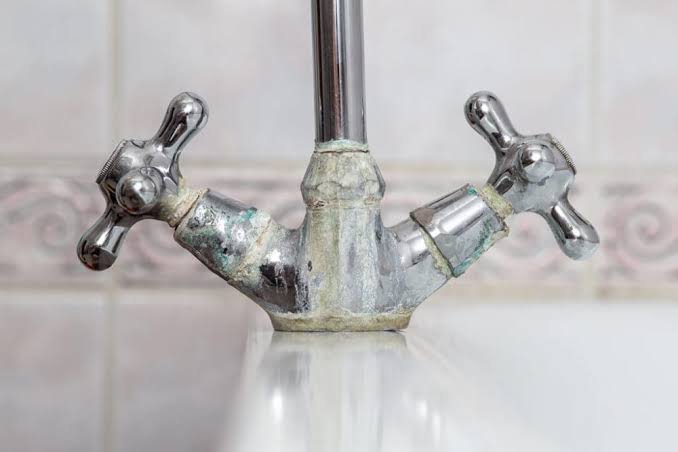
Maybe there’s a little scaling inside pipes. Maybe coffee doesn’t taste quite as good as it used to. Perhaps maintenance teams are replacing heating elements more often than expected.
None of these problems seem urgent on their own.
But over months—or even years—they quietly add up.
Mineral deposits reduce efficiency. Corrosion shortens equipment life. Extra maintenance increases labour costs. Utility bills slowly climb. These gradual changes rarely happen overnight, making them surprisingly easy to overlook.
That’s why proactive management almost always costs less than reactive repairs.
Better Water Benefits Everyone
People naturally associate clean water with drinking, but its influence extends much further than the tap.
Think about hotels. Guests notice sparkling bathrooms, soft towels, and spotless shower doors, even if they never think about the water behind those experiences.
Restaurants depend on clean water for cooking, beverages, dishwashing, and food preparation. Healthcare facilities rely on consistent sanitation. Manufacturers need stable water conditions to maintain product quality.
Maintaining excellent water quality creates benefits that ripple throughout an entire operation.
Employees enjoy a healthier work environment. Customers experience cleaner facilities. Cleaning products work more effectively. Fixtures stay brighter for longer periods, and maintenance teams spend less time addressing preventable issues.
It’s one of those improvements people appreciate without necessarily realizing why.
Protecting Equipment Saves More Than Repair Costs
Commercial equipment isn’t cheap.
Boilers, cooling towers, commercial dishwashers, water heaters, production machinery, and HVAC systems represent major investments for any business. Unfortunately, untreated water slowly works against them every single day.
Hard water minerals build scale. Sediment clogs internal components. Corrosion damages pipes and valves.
Eventually, equipment must work harder just to produce the same results.
Businesses focused on equipment protection understand that preventing damage is far less expensive than replacing critical machinery years before its expected lifespan.
There’s another benefit that often goes unnoticed.
Equipment operating under cleaner water conditions typically consumes less energy because it doesn’t have to fight through mineral buildup or restricted water flow. That improved efficiency can contribute to lower operating costs month after month.
Regular Water Testing Makes Better Decisions Possible
Water conditions aren’t fixed forever.
Municipal treatment methods evolve. Seasonal weather changes mineral concentrations. Older infrastructure can influence incoming water characteristics.
Without regular testing, businesses are essentially making decisions based on assumptions.
Routine water analysis provides valuable information about hardness, sediment, chlorine, dissolved minerals, and other important factors that may affect daily operations.
Sometimes everything looks great.
Other times, small adjustments made early can prevent much larger problems later.
That’s the advantage of understanding what’s actually happening instead of simply hoping everything stays the same.
Choosing the Right Treatment Strategy
Not every commercial property needs identical equipment.
Some facilities benefit most from water softeners that reduce scaling.