Key Takeaways
- A & L Septic Products, Inc. provides pumping, inspections, maintenance, drain field, grease trap, and installation-related services.
- Slow drains, odors, backups, wet ground, and unknown tank access can indicate a need for service.
- Regular inspections and pumping help property owners monitor septic system condition.
- Avoid flushing unsuitable materials, pouring grease down drains, or driving over drain fields.
- Property owners should confirm current permitting requirements before regulated septic work.
When a septic system needs attention, Orlando property owners can contact A & L Septic Products, Inc. for help with pumping, inspections, maintenance, drain field issues, grease trap needs, installation needs, and permitting assistance. For property owners seeking dependable septic tank services Orlando, FL, the company provides a practical starting point for both routine care and system concerns that need prompt evaluation. A & L Septic Products, Inc. serves residential and commercial properties in the Orlando area and states that it has more than 30 years of experience with septic tanks. Septic service is not limited to pumping a tank. A complete service conversation should consider the tank, access lids, wastewater symptoms, drain field conditions, property use, and available maintenance records.
What Septic Problems Can A & L Septic Products, Inc. Help Address?
Septic concerns often begin with small changes that are easy to overlook. Slow drains, plumbing gurgles, unpleasant odors, wet ground, or uncertainty about the tank’s location can all justify a professional assessment. A & L Septic Products, Inc. can help property owners identify the appropriate next step based on the reported issue and the system’s condition.
- Slow drains or backups: Inspection and pumping may help determine whether accumulated solids, a blockage, or another system issue needs attention.
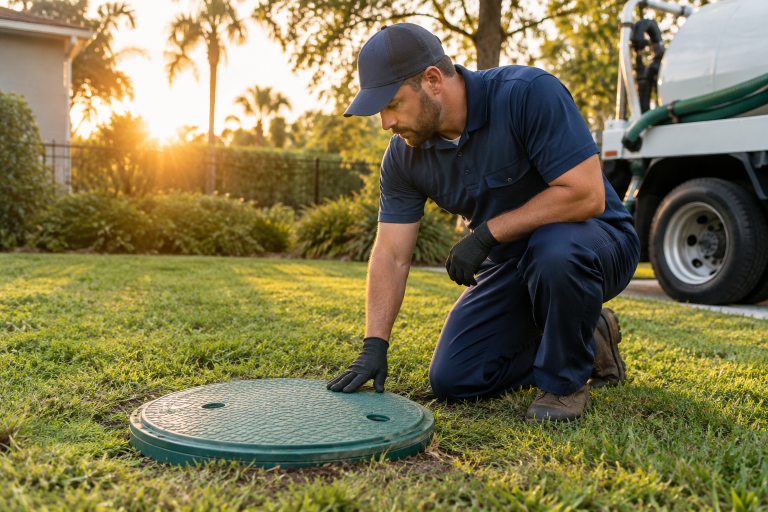
- Unknown tank access: Locating and uncovering access lids can make current service and future maintenance easier to plan.
- Drain field concerns: Standing water, surfacing wastewater, or persistent drainage problems require evaluation of the broader septic system.
- Commercial grease buildup: Restaurants and other commercial properties may need grease trap service as part of their wastewater maintenance planning.
- Permit questions: Property owners planning installation, repair, replacement, or other regulated work may need help understanding the permitting process.
What Happens During a Septic System Inspection?
An inspection can provide information that a property owner may not get from a basic pump-out alone. Depending on the service need and site conditions, the process may include locating the tank, uncovering access points, reviewing the tank’s condition, checking for unusual water levels or visible concerns, and discussing the next recommended step. The U.S. Environmental Protection Agency explains that a service professional should inspect for leaks and examine scum and sludge layers during septic service. Its guidance also notes that average household systems should generally be inspected at least every three years and pumped every three to five years. However, the correct schedule depends on household size, tank size, wastewater volume, and system type. Property owners can use the EPA’s guidance on caring for a septic system to understand better the maintenance factors involved.
When Should an Orlando Property Owner Request Service?
Routine Service Situations
- There are no recent pumping or inspection records for the property.
- The tank location or access lids are unknown.
- Drains are becoming slower than normal.
- The property is being sold, purchased, renovated, or prepared for a new use.
- A commercial property needs ongoing septic or grease trap maintenance planning.
Warning Signs That Need Prompt Attention
- Wastewater is backing up into toilets, sinks, showers, or tubs.
- Persistent sewage odors are noticeable near the tank or drain field.
- There is standing water or unusually wet soil over the drain field area.
- Plumbing fixtures make unusual gurgling sounds.
- Wastewater or sewage is visible on the property.
If wastewater is backing up or surfacing, reduce water use, avoid contact with the wastewater, and keep children and pets away from the affected area. Prompt professional attention can help identify whether the concern involves the tank, plumbing, drain field, or another component.
Why Preventive Septic Maintenance Matters
A septic system continuously receives wastewater and solids from a property. Without routine oversight, solids can build up in the tank, and system performance can decline. Maintenance does not guarantee that a system will never need repair. Still, regular inspections and pumping can help property owners track the tank’s condition, identify emerging issues, and make better decisions about future service. Good septic habits between appointments also matter. Avoid flushing wipes, paper towels, hygiene products, and other non-septic-safe materials. Keep cooking grease and oil out of sinks, and avoid driving or parking on the drain field. These practices reduce unnecessary stress on the system and help preserve the soil area that treats wastewater after it leaves the tank.
Drain Fields, Grease Traps, and Permitting Support
Drain Field Assistance
The drain field is a critical part of a septic system because it handles wastewater after it leaves the tank. A wet area in the yard, wastewater surfacing, recurring slow drains, or sewage odors may indicate the issue extends beyond the tank’s capacity. A & L Septic Products, Inc. can help assess drain field concerns as part of a broader septic service discussion.
Grease Trap Service for Commercial Properties
Commercial kitchens and food-service operations can produce grease that requires separate management. Grease trap service helps businesses plan for the removal of accumulated material and address wastewater maintenance needs that differ from those of a typical residence.
Understanding Septic Permits
Installation, repair, replacement, and construction work may involve Florida or local permitting requirements. A & L Septic Products, Inc. offers permitting assistance, while property owners should still confirm current requirements with the appropriate authority. The Florida Department of Environmental Protection provides onsite sewage data and permit activity information that can be useful when researching records and regulatory details.
How to Request Service From A & L Septic Products, Inc.
- Call 407-273-2149 or email office@alseptic.net.
- Provide the property address and explain whether it is residential or commercial.
- Describe the symptoms, such as slow drains, odors, wet ground, backups, or grease trap concerns.
- Share the last known pumping or inspection date, if available.
- Provide any information about tank location, site access, previous repairs, or permits.
A & L Septic Products, Inc. is located at 9304 E. Colonial Dr., Orlando, FL. Published office hours are Monday through Friday, 7:30 a.m. to 4:00 p.m.
Frequently Asked Questions
Does A & L Septic Products, Inc. only pump septic tanks?
No. The company’s service information includes pumping, inspections, maintenance support, drain field assistance, grease trap service, installation-related work, and permitting assistance.
How often should a septic tank be pumped?
Every system is different. The EPA’s general guidance for average household systems is to inspect at least every three years and pump every three to five years, with the actual interval influenced by use and system characteristics.
What should be ready before calling?
Have the property address, a description of the problem, the last known service date, tank access details, and any available repair or permit records ready for the conversation.
Choose a Clear Starting Point for Septic Service
A & L Septic Products, Inc. provides Orlando property owners with a single resource for septic pumping, inspections, drain field concerns, grease trap service, installation needs, and permitting guidance. Whether the request is routine maintenance or a possible system malfunction, clear information about the property and its symptoms can help establish the most appropriate next step.
Conclusion
A & L Septic Products, Inc. offers Orlando property owners a starting point for routine septic maintenance and system concerns. Whether the need involves pumping, inspection, drain field issues, grease traps, or installation-related work, providing clear information about the property and any noticeable symptoms can help determine the next step. Keeping service records and addressing warning signs early can also make septic maintenance easier to manage. Regular inspections, proper pumping schedules, and responsible septic habits can support long-term system care and help property owners stay aware of changes that may require professional attention.