Water has a funny way of becoming part of the background. We use it for coffee, cooking, laundry, and cleaning without giving it much thought. Then one morning, the kettle has another layer of white scale, the shower glass looks cloudy again, or a glass of tap water tastes different than expected. Suddenly, something so ordinary becomes a bit of a mystery.
These changes can have several causes, and the right solution depends on what is actually happening. Mineral content, dissolved substances, plumbing conditions, and the water source can all influence what comes out of your tap. Rather than buying the first filter that promises cleaner water, it makes sense to understand the issue and choose a treatment method that fits your home.
Start by Understanding What’s in Your Water
Water quality isn’t identical from one property to another. Municipal supplies are generally treated and monitored, but their mineral content and taste can vary by location. Private wells depend on groundwater conditions, local geology, and the surrounding environment. Even plumbing inside a home can influence water quality before it reaches the faucet.
Some problems are easy to notice. White deposits on taps may indicate hardness, while orange stains can sometimes point to iron. An unusual taste or smell might have another explanation entirely. These signs are useful clues, but they cannot confirm which substances are present or establish whether water is safe to drink.
Testing provides a more reliable starting point. Depending on the source and the concern, a water analysis may examine hardness, pH, iron, dissolved solids, bacteria, nitrates, or other substances. The appropriate test matters because a simple mineral check won’t identify every possible contaminant.
Once you have the results, you can make decisions based on evidence instead of guesswork. That may sound obvious, but it’s an easy step to skip when a product advertisement makes a treatment system look like the answer to everything.
What High Total Dissolved Solids Can Tell You
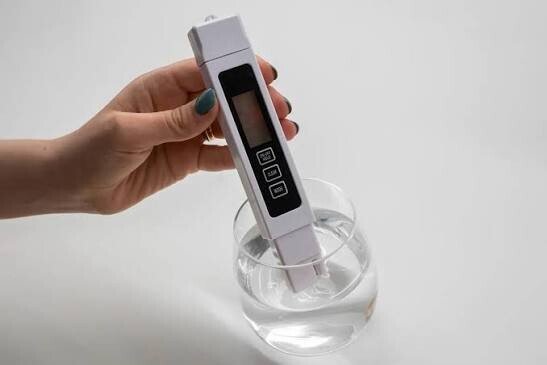
Total dissolved solids, commonly shortened to TDS, refers to the combined amount of dissolved substances in water. These may include minerals, salts, and certain other dissolved materials. A TDS meter estimates the concentration based on the water’s electrical conductivity, making it a convenient screening tool for some situations.
However, a reading alone doesn’t tell the whole story. High TDS levels can reflect naturally occurring minerals, dissolved salts, or other substances, and the number does not identify exactly which ones are present. Two water samples can have similar TDS readings but very different chemical compositions.
This distinction matters when choosing treatment. A high reading isn’t automatically proof that water is unsafe, just as a low reading doesn’t guarantee that every contaminant is absent. If the result is unexpected or there are concerns about specific substances, further testing may be necessary.
For homeowners, the practical approach is to use TDS as one piece of information rather than a final verdict. Review the source-water report when available, ask a qualified water professional to interpret the findings, and choose additional tests based on the circumstances.
Why Mineral-Heavy Water Can Be Frustrating
Hard water is one of the most common reasons homeowners begin looking into treatment. It contains elevated concentrations of calcium and magnesium, which can leave chalky deposits on showerheads, faucets, glassware, and water-heating equipment. Soap may not lather as easily, and freshly washed laundry can sometimes feel stiff.
The effects of mineral-heavy water often develop gradually. A little scale around the faucet may not seem important, but repeated deposits can make cleaning more time-consuming. Scale can also accumulate inside certain appliances, potentially affecting their performance over time. The extent of the problem depends on hardness, water use, temperature, and maintenance.
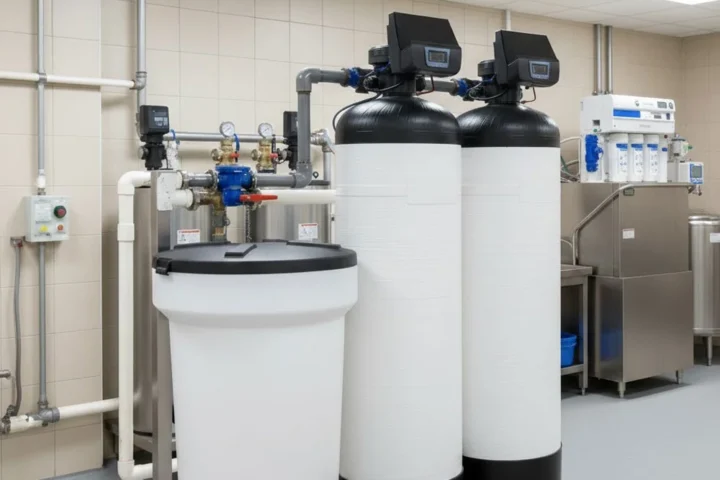
A conventional water softener can reduce hardness through an ion-exchange process that removes calcium and magnesium from the water. This may help limit scale and improve soap performance. It doesn’t, however, act as a universal purifier or remove every unwanted substance.
Before investing in a softener, have the water tested and consider how much water your household uses. Correct sizing matters. An undersized unit may regenerate too frequently, while an oversized one may add unnecessary cost. It’s also worth asking about salt requirements, servicing, and whether a separate drinking-water arrangement makes sense for your household.
Well Water Requires a Different Kind of Attention
Private wells can provide a dependable water source, but they need regular monitoring because their quality may change over time. Rainfall, flooding, nearby agricultural activity, septic systems, and natural groundwater conditions can all influence the substances found in a well.
Common well water issues may include hardness, iron staining, sediment, unpleasant odours, or microbiological concerns. The appropriate response depends on the results of testing, not simply on how the water looks. Clear water can still contain substances that require attention, while visible particles may have a cause that needs to be investigated before choosing a filter.
Well owners should follow local recommendations for testing frequency and select tests that reflect the area’s potential risks. Depending on the circumstances, analysis may include bacteria, nitrates, pH, hardness, iron, manganese, or other relevant substances. A certified laboratory can be especially useful when health-related contaminants are a concern.
If water quality changes suddenly after flooding, repairs, or another disruption, investigate promptly. Don’t rely on a general-purpose filter to solve a problem that hasn’t been identified. Some concerns require disinfection or a specific treatment technology, and the wrong equipment may leave the underlying issue unresolved.
Choosing a Treatment System That Makes Sense
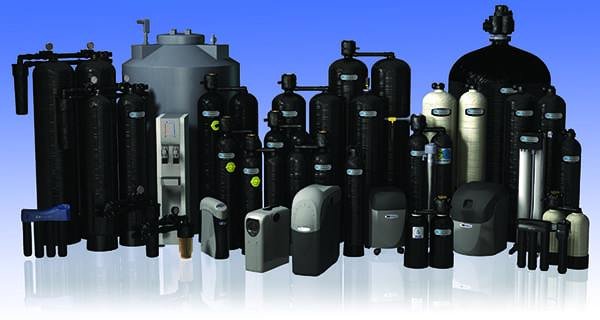
Once you understand the water conditions, comparing treatment options becomes much easier. Sediment filters capture particles, activated carbon can reduce certain tastes and odours, softeners address hardness, and reverse osmosis systems can reduce many dissolved substances when designed and certified for that purpose.
The key is to match the technology to the problem. If the concern is limited to drinking water at the kitchen sink, a point-of-use system may be sufficient. If a verified issue affects several fixtures, a whole-house system may deserve consideration.
Look beyond the initial purchase price. Installation, replacement cartridges, salt, electricity, wastewater, and professional servicing can all contribute to long-term costs. Ask about flow rate, pressure changes, available replacement parts, and the manufacturer’s maintenance schedule.
Be cautious of claims that a single device removes everything. No treatment system should be assumed to address every possible contaminant, and performance can vary by model. Look for clear documentation showing which substances the equipment is designed to reduce.
Better Water Begins With Better Information
Improving your home’s water doesn’t have to mean buying the biggest or most complicated system available. Start with the water source, identify the concerns that matter, and arrange suitable testing when necessary. Then compare treatment options based on verified performance, installation requirements, and ongoing maintenance.
Water quality can feel technical at first, but the decision-making process doesn’t need to be overwhelming. A few reliable test results and some straightforward advice can help you avoid unnecessary spending and focus on what will actually make a difference.
In the end, the goal is simple: understand your water, treat the problems that are genuinely present, and maintain the equipment properly. That’s a far more dependable path toward better water at home than guessing from taste, appearance, or a single number on a meter.