Hard water has a way of making itself known through small, everyday frustrations. White deposits collect around faucets, showerheads become clogged, and soap seems to disappear before it creates a decent lather. You might even find yourself cleaning the same cloudy marks from your bathroom glass every few days. If this sounds familiar, a water softener could be worth considering.
Choosing one, however, isn’t always straightforward. Some systems use electricity to control their operation, while others rely on mechanical components and water pressure. Both approaches have advantages, and the right choice depends on your household’s water use, installation requirements, budget, and maintenance preferences.
Before investing in equipment, it helps to understand how these systems work and what separates one from another.
Why Hard Water Can Become a Household Problem
Hard water contains elevated concentrations of dissolved calcium and magnesium. These minerals occur naturally as water moves through soil and rock, eventually reaching municipal supplies or private wells.
Although hardness doesn’t automatically make drinking water unsafe, it can create practical problems around the house. Mineral deposits may build up inside pipes, water heaters, kettles, and washing machines. Soap may also work less effectively, leaving residue on bathroom surfaces and making laundry feel stiff.
Over time, significant scale buildup can affect the efficiency of some water-using appliances. The extent of the impact depends on the water’s hardness, temperature, household consumption, and equipment design.
A water softener reduces hardness minerals, usually through a process called ion exchange. As water passes through a resin bed, calcium and magnesium are exchanged for sodium or potassium ions. The resin eventually needs regeneration to restore its capacity.
Understanding this basic process makes it easier to compare the systems available and decide which features matter most.
How Electric Water Softeners Work
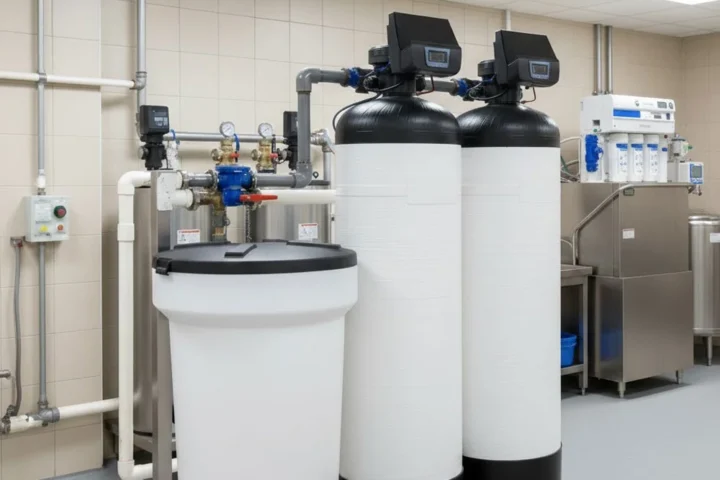
Many modern softeners use electronic controls to manage their regeneration cycles. These electric water softeners typically include a control valve and a timer or metered controller that determines when regeneration should occur.
Timer-based models regenerate according to a programmed schedule. Metered systems monitor water consumption and initiate regeneration when the available softening capacity is approaching its limit. Some advanced models adjust their operation based on usage patterns and other programmed settings.
The main advantage of electronic control is convenience. A metered system can often respond more closely to actual household demand than a basic timer-controlled model. This may help reduce unnecessary regeneration, salt consumption, and wastewater, although the results depend on system design and settings.
Electric softeners can be particularly useful for larger households or properties with changing water usage. A family that uses more water during weekends, for example, may appreciate a system that bases regeneration on measured consumption rather than a fixed schedule.
However, these units need a suitable power supply, and electronic controls add components that may eventually require servicing. Power interruptions can also affect certain settings, depending on the model.
When comparing products, ask whether the controller retains its settings during an outage, how regeneration is programmed, and what maintenance the valve requires.
Understanding Non-Electric Water Softeners
For homeowners who prefer a simpler setup, non-electric water softeners offer another option. These systems typically use mechanical controls, water pressure, or hydraulic mechanisms rather than a conventional electrical controller.
Some models use demand-based mechanical metering to determine when regeneration is necessary. Others operate according to preset cycles or specific hydraulic designs. Their exact operation varies, so it’s important to check how an individual model works rather than assuming every non-electric softener functions the same way.
One potential benefit is reduced dependence on electricity. This can be appealing in locations where power interruptions are common or where adding an electrical connection near the installation point would be inconvenient.
Mechanical controls may also offer a straightforward operating experience. With fewer electronic features to configure, some homeowners find these systems easier to understand.
Still, non-electric doesn’t automatically mean maintenance-free. Control valves, resin beds, seals, and other mechanical components can wear over time. The system must also be properly sized and configured to handle the property’s water demand.
Before purchasing, ask how regeneration is triggered, whether the unit needs a drain connection, how much salt it uses, and whether replacement parts are readily available locally.
Comparing Costs, Efficiency, and Convenience
The initial purchase price is only one part of the decision. Installation, salt consumption, servicing, water use during regeneration, and replacement components all contribute to the long-term cost.
Electric systems may offer programmable controls and detailed monitoring, which can be useful for households seeking more flexibility. Depending on the design, these features may improve regeneration efficiency and make operation easier to manage.
Non-electric models may appeal to homeowners who want to avoid a dedicated electrical connection or prefer mechanically controlled equipment. However, the overall savings depend on the specific model, installation conditions, and operating requirements.
Neither category is automatically more efficient. A well-designed, correctly sized system with suitable settings can perform effectively regardless of whether it uses electronic or mechanical controls.
It’s also worth considering household size. A small property with relatively low water consumption may not need the same capacity as a large family home with several bathrooms. An oversized system can cost more than necessary, while an undersized unit may regenerate too frequently or struggle during periods of heavy use.
Ask suppliers for written estimates that include installation and explain expected ongoing expenses. Comparing those figures over several years can provide a more realistic picture than looking at the purchase price alone.
Why Water Testing Should Come First
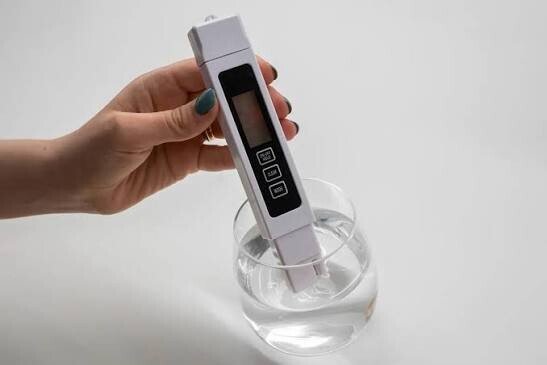
Before choosing any softener, determine how hard your water actually is. Water testing provides useful information about hardness levels and can identify other concerns that may affect the treatment plan.
A simple hardness test may be sufficient to begin comparing softeners, but broader testing could be appropriate if you notice staining, unusual odors, or changes in taste. Iron, manganese, sediment, and other substances may require different treatment methods.
For example, a household dealing with reddish-brown stains might have an iron problem rather than hardness alone. Some softeners can handle limited amounts of certain forms of iron under specified conditions, but other situations require dedicated treatment.
Testing is especially important for private well owners, who should follow local public health guidance for routine checks. Municipal water customers can review their supplier’s quality reports, although testing at the property may be useful when household plumbing could influence the results.
A qualified water treatment professional can help interpret the findings and recommend equipment based on actual conditions rather than guesswork.
Installation and Maintenance Matter
Even the right system needs proper installation. Before work begins, consider available space, incoming water pressure, drainage access, plumbing layout, and the location of the nearest suitable electrical outlet if the model requires one.
Once installed, check salt levels according to the manufacturer’s instructions and use the recommended salt type. Keep the surrounding area accessible, inspect visible connections for leaks, and arrange servicing when necessary.
Pay attention to changes in performance. If scale begins returning, water pressure changes unexpectedly, or the system appears to use more salt than usual, the equipment may need inspection or adjustment.
Remember that a softener reduces hardness; it does not automatically make contaminated water safe to drink. Additional filtration or disinfection may be necessary if testing identifies other concerns.
Making the Right Choice for Your Household
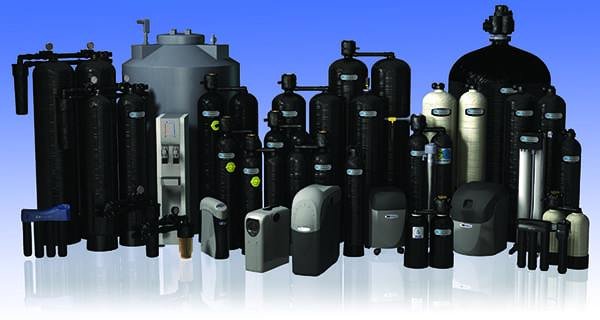
Electric and non-electric softeners can both be sensible options. The best choice depends on your water hardness, household demand, installation conditions, budget, and preference for electronic or mechanical controls.
If convenience, programmable settings, and metered operation are priorities, an electric model may suit your needs. If avoiding a dedicated electrical connection and keeping the control system relatively simple matter more, a non-electric model could be worth investigating.
Take time to compare specifications, ask about maintenance, and understand the full operating costs before making a decision. Most importantly, base your purchase on reliable water test results and the actual requirements of your home.
A properly selected and maintained softener can help reduce scale, make cleaning easier, and protect water-using appliances from excessive mineral buildup. With a little research beforehand, you can choose a system that works quietly in the background and makes everyday life that bit easier.