Water is one of those things we rarely think about until something seems wrong. Maybe your morning tea tastes a little different, white marks keep appearing around the taps, or your shower leaves your skin feeling dry. Sometimes, the signs are subtle. Other times, they’re hard to ignore. Whatever the issue, the quality of your household water can influence everyday comfort, the condition of your plumbing, and even how confidently you use the water coming from your tap.
The good news is that improving water quality doesn’t always require a complicated setup. With a little understanding of your water supply and the problems you want to solve, choosing the right treatment system becomes much easier.
Start by Understanding Your Water
Before buying any equipment, take a closer look at the water entering your home. Municipal supplies, borewells, private wells, and other sources can have very different characteristics. Water that looks perfectly clear may still contain dissolved minerals or contaminants that aren’t visible to the naked eye.
Common concerns include hardness, unpleasant taste, sediment, excess chlorine, and certain metals or microorganisms. Each problem calls for a different approach, which is why choosing a system based only on advertising claims can lead to disappointing results.
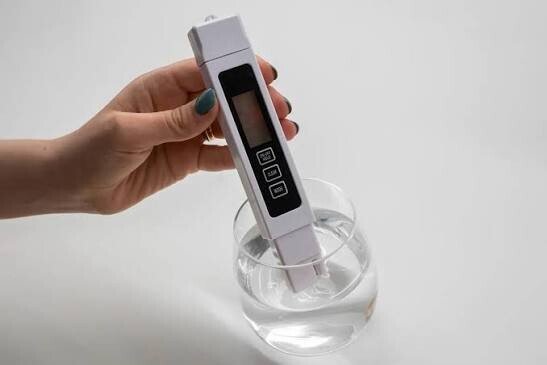
A basic water test is a sensible starting point. Depending on your source and local conditions, you may need to check hardness, pH, total dissolved solids, and specific contaminants of concern. If you’re using well or borewell water, testing for relevant bacteria and chemicals is especially important.
The point isn’t to test for everything imaginable. It’s to identify the issues that actually matter in your household.
Choosing a Drinking Water Filter That Fits Your Needs
Drinking water deserves particular attention because it’s used throughout the day for hydration, cooking, making tea, and preparing meals. Different filtration technologies remove different substances, so the best choice depends on the quality of your source water.
For example, activated carbon filters can help reduce chlorine taste and odour, along with certain organic compounds. Sediment filters capture particles such as sand, rust, and dirt. Neither technology, however, should be assumed to remove every harmful substance.
A system using reverse osmosis may be useful when testing identifies elevated levels of certain dissolved salts, metals, or other contaminants that the technology is designed to reduce. These systems force water through a specialised membrane, separating many unwanted dissolved substances from the treated water.
However, reverse osmosis isn’t automatically the right answer for every home. It can produce wastewater, requires periodic filter and membrane replacement, and may remove minerals that some people prefer to retain. Performance also depends on the system design, incoming water conditions, and proper maintenance.
Look for independently verified performance claims and check which specific contaminants the model is certified to reduce. A familiar brand name is reassuring, but evidence of performance matters more.
When Whole-House Filtration Makes Sense
A drinking water filter treats water at a particular point, usually the kitchen tap. But what if the problem affects the entire property?
You might notice sediment throughout the plumbing, persistent chlorine odour in showers, or recurring deposits that make bathroom cleaning frustrating. In these situations, treating water as it enters the house may be worth considering.
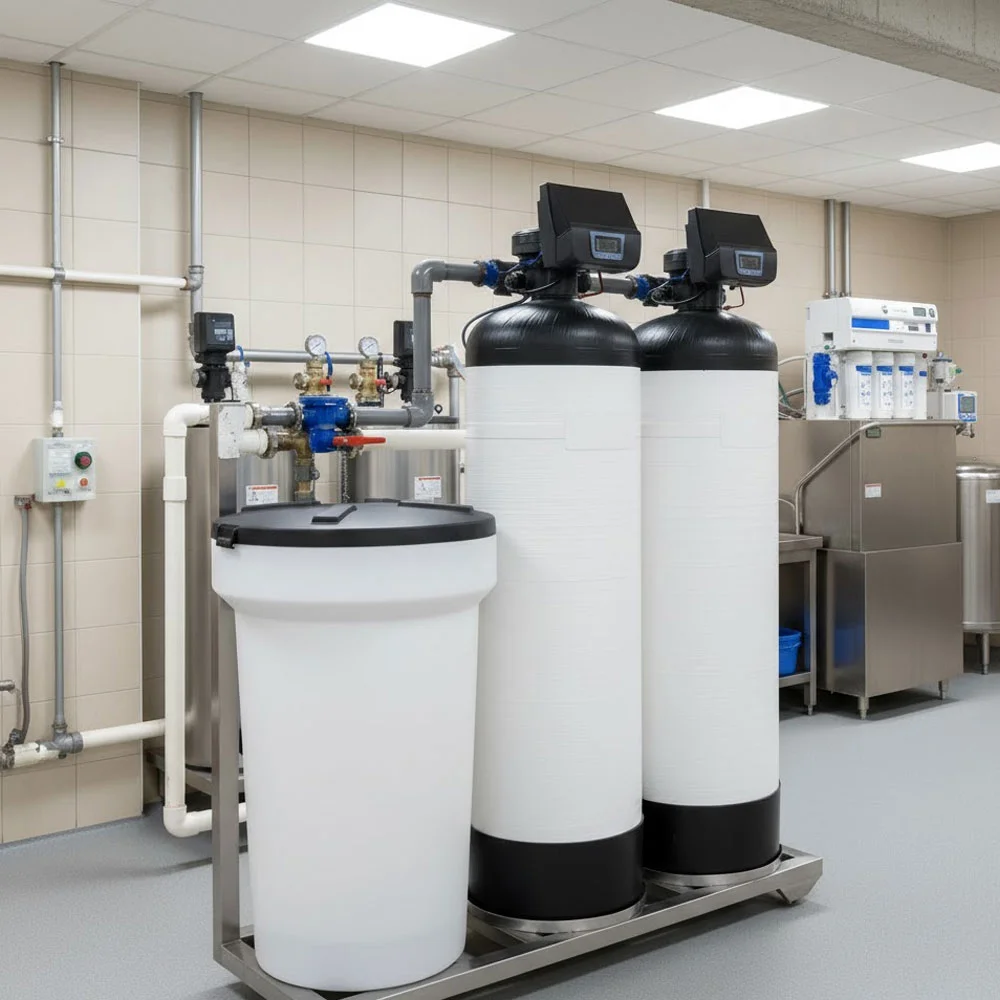
A whole home treatment system is installed on the main incoming water line, allowing treated water to reach multiple taps, showers, and appliances. Depending on the equipment, it may reduce sediment, chlorine, or other targeted substances across the property.
That doesn’t mean every whole-house system makes water safe to drink. Some are designed mainly to improve taste, odour, or plumbing protection, while others address specific contaminants. The distinction is important.
For households with a private water source, a suitable treatment setup might include several stages, such as sediment filtration followed by a technology selected for a confirmed contaminant. Disinfection may also be necessary when microbial risks are identified. The arrangement should reflect actual test results rather than a one-size-fits-all package.
Installation deserves attention, too. An incorrectly sized filter can restrict water flow, while poor plumbing connections may create leaks or other problems. A qualified professional can help match the equipment to the property’s water demand.
Dealing With Hard Water and Mineral Buildup
Hard water is a common source of household frustration. It contains elevated levels of dissolved calcium and magnesium, which can leave chalky deposits on taps, shower screens, kettles, and heating elements. Soap may also lather less effectively, making washing feel like more work than it should.
Although hard water is generally not considered a health risk by itself, mineral buildup can affect cleaning, appliance efficiency, and the lifespan of certain components.
This is where water softeners can help. Traditional ion-exchange softeners reduce hardness by exchanging calcium and magnesium ions for other ions, commonly sodium. The process can make cleaning easier, reduce scale formation, and help protect water-using appliances.
Still, softening isn’t necessary for every property. If hardness levels are modest, routine cleaning or a targeted scale-control approach may be enough. Some alternatives help limit scale formation but don’t actually remove the minerals responsible for hardness.
People following a sodium-restricted diet should also consider how a conventional softener affects drinking water. Depending on the system and local guidance, a separate unsoftened drinking water tap or another suitable arrangement may be preferable.
As with filtration, the sensible decision comes down to measured water conditions, household priorities, and ongoing costs.
Don’t Overlook Installation and Maintenance
Even a high-quality treatment system can underperform when filters are overdue for replacement or the equipment isn’t maintained correctly. Maintenance isn’t an optional extra; it’s part of the system’s effectiveness.
Check the manufacturer’s replacement schedule, keep records of servicing, and pay attention to changes in water pressure, taste, or odour. A sudden change doesn’t necessarily mean the equipment has failed, but it deserves investigation.
For systems with storage tanks, membranes, UV disinfection, or regeneration cycles, follow the specific instructions supplied by the manufacturer. Some components require professional servicing, while others can be replaced by a homeowner with basic precautions.
It’s also worth calculating the full cost before purchasing. Include replacement cartridges, electricity, water use, salt where applicable, and service visits. A cheaper unit may become expensive if replacement parts are difficult to find or need frequent changing.
Make a Practical Choice for Your Household
The most effective water treatment system isn’t necessarily the biggest, newest, or most expensive option. It’s the one that addresses your actual water problems without adding unnecessary complexity.
Start with reliable testing, identify your main concerns, and compare technologies based on verified performance. Think about daily water consumption, the number of people in your home, available installation space, and your willingness to maintain the equipment.
If you’re unsure about your results, ask a qualified water treatment professional to explain them in plain language. You should understand what a proposed system removes, what it leaves behind, and how you’ll know when it needs servicing.
Good water treatment is ultimately about making everyday life easier while managing genuine risks responsibly. A glass of clean-tasting water, a kettle without stubborn deposits, and plumbing that works as it should may seem like small improvements. Together, though, they make a noticeable difference.
Take the time to understand your water first. The right solution will follow from there, and you’ll be far more likely to choose a system that delivers lasting value rather than one that simply looks impressive on a brochure.