There’s a moment many students in India go through—usually somewhere between college lectures and late-night YouTube tutorials—where a simple thought pops up: “Am I actually learning something useful?”
It’s not a rebellious thought. More like a quiet doubt. Because for years, the path has been predictable—get a degree, secure a job, build a career. But lately, that path feels… less certain.
Something’s changing. And you can sense it in conversations, in job listings, even in how people introduce themselves now—not by degrees, but by what they do.
The Old Promise of Degrees
For decades, traditional degrees have been the gold standard. Engineering, medicine, law, commerce—these weren’t just fields of study; they were identities. A degree meant stability. Respect. A clearer future.
And to be fair, that system worked for a long time.
Colleges offered structure. They gave students time to explore, fail, grow. And employers trusted degrees as a signal—proof that a person had put in the effort, passed the exams, learned the basics.
But somewhere along the way, the gap between what’s taught and what’s needed started widening.
Skills Enter the Conversation
Now, things feel different.
A 19-year-old with no formal degree can build a successful YouTube channel. A self-taught developer can land freelance gigs globally. Someone who learned digital marketing online might earn more than a traditional MBA graduate.
That’s not an exaggeration—it’s reality for many.
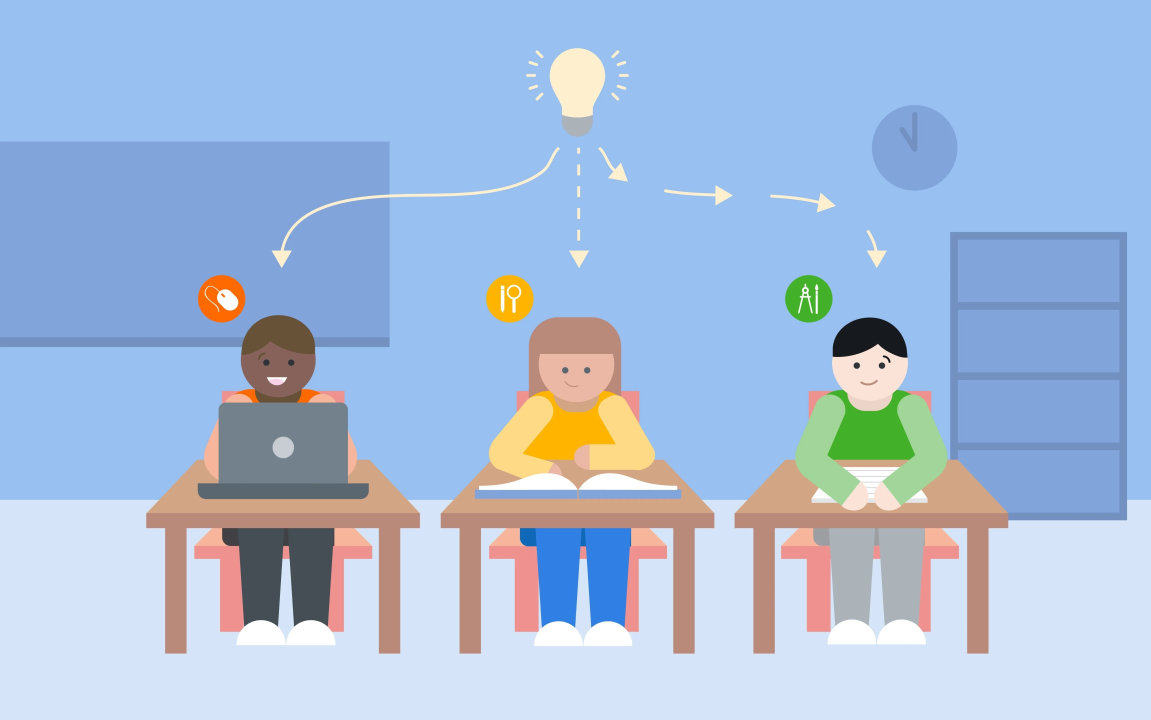
Skill-based learning has crept in quietly. Online courses, bootcamps, internships, even trial-and-error learning through real projects—it’s all part of a new ecosystem. One where what you can do matters more than what you’ve studied.
So, What’s Actually More Valuable?
At some point, this question becomes unavoidable: Skill-based learning vs traditional degrees India me kaun zyada valuable ho raha hai?
The honest answer? It depends.
Not the most satisfying answer, I know—but it’s true.
Where Skills Are Winning
In fast-moving industries—tech, design, digital marketing, content creation—skills often take the lead. Employers in these spaces care less about your college and more about your portfolio.
Can you build a website? Run an ad campaign? Edit a video that people actually watch?
If yes, you’re already ahead of many.
These industries evolve quickly. What you learned three years ago might already feel outdated. So, the ability to learn, adapt, and apply skills in real-time becomes more valuable than a static curriculum.
Where Degrees Still Matter
That said, degrees aren’t going anywhere.
In fields like medicine, law, architecture, or academia, formal education is essential. You can’t exactly “self-learn” surgery through a course and start practicing. There’s a reason these professions require years of structured training.
Degrees also offer something less tangible but important—credibility. In certain circles, that still holds weight. It opens doors, even if it doesn’t guarantee success.
And let’s not forget the experience of college itself. The friendships, the exposure, the messy process of figuring things out—it shapes people in ways a short-term course often can’t.
The Hybrid Reality
What’s interesting is that many people aren’t choosing one over the other anymore.
They’re blending both.
A student might pursue a degree while learning coding on the side. Or take a marketing course while studying commerce. It’s becoming less about “either-or” and more about “what else can I add?”
This hybrid approach feels… practical. Grounded.
Because the truth is, a degree alone might not be enough anymore. But skills without any foundation can feel scattered too.
The Pressure to Keep Up
There’s also a subtle pressure in all this.
With so many courses, platforms, and “learn this in 30 days” promises, it’s easy to feel like you’re constantly behind. Like everyone else is building something, learning something, achieving something.
But learning doesn’t have to be rushed.
Sometimes, depth matters more than speed. Understanding something well—even if it takes time—can be more valuable than collecting certificates.
So, What Should You Choose?
If you’re standing at that crossroads, unsure which way to go, maybe the better question isn’t “degree or skill?”
Maybe it’s: “What kind of work do I want to do?”
If your path requires formal education, go for it. Fully. Make the most of it.
If your interests lean toward creative or digital fields, focus on building real, usable skills. Start small. Experiment.
And if possible, don’t limit yourself to one path. Combine them in a way that works for you.
Final Thoughts
The learning landscape in India isn’t flipping overnight—but it is shifting. Slowly, steadily, almost quietly.
Degrees still matter. Skills matter more than ever. And somewhere in between, people are carving their own paths—imperfect, non-linear, but real.
Maybe that’s the takeaway.
It’s not about choosing the “right” option anymore. It’s about choosing what makes sense for you, and being willing to keep learning—no matter what path you’re on.