

There’s something unsettling about turning on the tap expecting fresh, clean water, only to catch a strong rotten egg smell drifting out of the sink. It’s one of those household problems that catches people off guard. The water may look perfectly clear, yet the smell makes you question whether it’s safe to drink, cook with, or even shower in.
The good news is that this issue is surprisingly common, especially in homes that rely on private wells. Even municipal water users occasionally notice unusual odours depending on seasonal changes or plumbing conditions. The smell itself doesn’t always point to a dangerous problem, but it does signal that something in the water deserves attention.
Instead of masking the odour with scented soaps or bottled water, it’s worth understanding what’s actually happening beneath the surface. Once you know the cause, finding the right solution becomes much easier.
Why Does Water Develop a Rotten Egg Smell?
That unmistakable smell usually comes from hydrogen sulfide gas, which forms naturally under certain conditions. It can develop underground, inside plumbing systems, or even within water heaters.
As groundwater travels through layers of rock and soil, it may encounter bacteria that feed on naturally occurring sulfur compounds. During this process, hydrogen sulfide gas is released, creating the familiar rotten egg odour many homeowners notice first thing in the morning.
Interestingly, the smell isn’t always constant. Some people only detect it when using hot water, while others notice it more after the water has been sitting in pipes overnight. Little details like these often provide useful clues about the actual source.
Is the Water Safe to Use?
In many situations, low levels of hydrogen sulfide aren’t considered a major health risk. The smell is unpleasant, but it usually becomes noticeable long before concentrations reach dangerous levels.
That said, unpleasant odours shouldn’t simply be ignored.
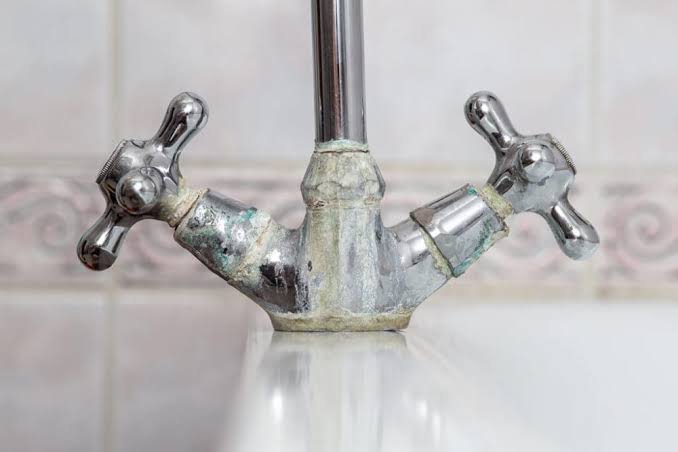
Besides affecting taste and smell, sulfur-related issues may encourage bacterial growth, stain plumbing fixtures over time, and reduce the lifespan of household appliances. If the smell suddenly becomes much stronger or appears alongside cloudy water or unusual colours, it’s wise to investigate further rather than assuming everything is fine.
Peace of mind starts with knowing what’s in your water—not guessing.
Other Minerals Can Make Things Worse
Rotten egg smells rarely travel alone.
Many groundwater sources also contain elevated levels of iron, manganese, or other naturally occurring minerals. These minerals may leave reddish stains in sinks, laundry, and toilets while creating metallic tastes that make drinking water less enjoyable.
When multiple water quality issues occur together, treating only one problem often leads to disappointment. Eliminating the smell without addressing mineral buildup may still leave homeowners frustrated with stained fixtures and unpleasant-tasting water.
That’s why water quality should always be viewed as a complete picture rather than a single symptom.
Your Water Heater Might Be Part of the Problem
Here’s something homeowners often overlook.
If the smell appears only when using hot water, the issue may not originate from the well or municipal supply at all. Some water heaters contain magnesium anode rods that naturally react with certain water conditions. Those reactions can produce hydrogen sulfide gas inside the tank.
In that case, replacing the anode rod or servicing the heater may significantly reduce the smell without requiring major plumbing work.
It’s a simple possibility, but one that’s surprisingly easy to miss.
Why Water Testing Matters More Than Guesswork
Every home has its own unique water chemistry.
Two neighbouring properties can use water from similar sources and still experience completely different water quality problems. That’s why copying someone else’s solution rarely guarantees success.
Professional water testing identifies exactly what’s present, including sulfur levels, dissolved minerals, bacteria, hardness, pH balance, and other important factors.
Without accurate testing, homeowners often spend money replacing filters that were never designed to solve the real problem. It’s a bit like changing your car’s tyres because the engine won’t start—it sounds proactive, but it misses the actual issue.
A proper diagnosis saves time, money, and frustration.
Choosing the Right Solution
Once the source has been identified, selecting the right treatment system becomes much more straightforward.
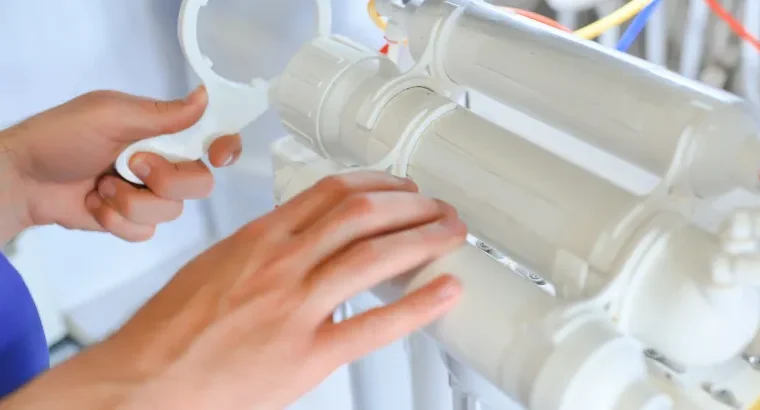
Some homes benefit from oxidation filters that remove hydrogen sulfide before the water reaches household plumbing. Others may need activated carbon filtration, aeration units, manganese dioxide filters, or complete whole-house filtration depending on the overall water chemistry.
If bacteria contribute to the odour, disinfection methods may also become part of the solution.
The important thing is matching the equipment to the water itself rather than purchasing the most expensive option available. Bigger doesn’t always mean better. A properly sized solution typically performs more effectively while requiring less maintenance over time.
Simple Maintenance Makes a Big Difference
Even high-quality filtration equipment needs occasional attention.
Replacing filter media, sanitising plumbing when necessary, checking water pressure, and inspecting equipment once or twice a year helps maintain consistent water quality. Small maintenance tasks prevent larger problems from developing later.
It’s similar to servicing an air conditioner. Ignore it for years, and performance slowly declines. Stay ahead of routine maintenance, and everything simply works as expected.
Many homeowners are surprised by how much better their systems perform after a routine inspection.
When Should You Call a Water Professional?
Sometimes the signs are obvious.
If the smell suddenly becomes stronger, stains begin appearing throughout the house, water tastes unusual, or multiple plumbing fixtures develop the same issue, professional evaluation is usually worthwhile.
Experts can determine whether the problem originates from groundwater, household plumbing, water heaters, bacterial activity, or filtration equipment already installed.
Getting a clear answer early often prevents unnecessary repairs later.
Clean Water Should Feel Effortless
Water is one of those things we rarely think about until something changes. A strange smell, an odd taste, or unexpected staining suddenly reminds us how much we rely on clean, dependable water every single day.
Fortunately, most rotten egg odours have practical solutions. Whether the cause is naturally occurring minerals, underground bacteria, or plumbing components inside the home, identifying the source is the first step toward lasting improvement.
Rather than settling for unpleasant-smelling water or constantly buying bottled alternatives, invest a little time in understanding what’s flowing through your taps. The right approach not only restores fresh-smelling water but also protects your plumbing, improves everyday comfort, and gives you confidence every time you turn on the faucet.