
Water is one of those everyday essentials that quietly influences almost everything we do. It fills our coffee mugs each morning, runs through our washing machines, keeps our showers warm, and helps prepare every family meal. Because it’s always there, we rarely stop to think about its quality—until something starts feeling different.
Maybe your dishes never seem completely clean. Your showerhead develops stubborn white buildup every few weeks. Towels lose their softness, and your skin feels unusually dry after bathing. These small frustrations may seem unrelated at first, but they’re often connected by one common factor: hard water.
The good news is that these problems aren’t simply something homeowners have to live with. Understanding your water and choosing the right treatment can improve comfort, protect your home, and even save money over time.
Water Quality Is Different Everywhere
One thing many people don’t realize is that water quality varies dramatically depending on where you live.
Municipal treatment plants work to provide safe drinking water, but naturally occurring minerals remain common in many water supplies. Homes using private wells may also experience changing water conditions throughout the year due to seasonal groundwater fluctuations.
Because every home’s water is different, there’s rarely a universal answer. The best approach always begins with understanding what your household actually needs rather than purchasing equipment based solely on advertisements or online reviews.
Knowing your water is far more valuable than guessing.
The Everyday Signs You Might Be Overlooking
Hard water usually doesn’t create emergencies. Instead, it quietly affects daily life in small but persistent ways.
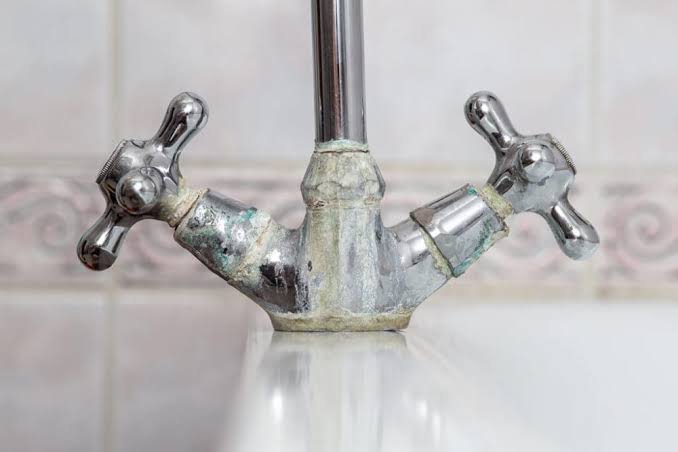
Soap takes longer to rinse away. Bathroom fixtures collect mineral deposits. Glassware comes out of the dishwasher looking cloudy instead of sparkling. Water heaters seem less efficient, and cleaning products don’t perform quite as well as expected.
Over time, these inconveniences become so familiar that many homeowners simply assume they’re normal.
In reality, they’re often signs that your home could benefit from better water treatment.
Why Hard Water Deserves Attention
The minerals responsible for hard water—primarily calcium and magnesium—aren’t necessarily harmful to drink. However, they can create challenges throughout the house.
Inside plumbing systems, those minerals slowly form scale deposits that restrict water flow and reduce appliance efficiency. Water heaters may consume more energy, while washing machines, coffee makers, and dishwashers often experience increased wear.
Outside the pipes, mineral residue leaves behind the familiar white stains seen on faucets, shower doors, and sinks.
Addressing these issues early helps reduce unnecessary maintenance while improving everyday comfort.
Choosing the Right Water Treatment Matters
Not every household requires the same equipment, which is why personalized recommendations usually provide better long-term results.
After proper water testing, professionals can determine whether hardness is the primary concern or whether additional treatment is needed for sediment, chlorine, iron, sulfur, or other naturally occurring substances.
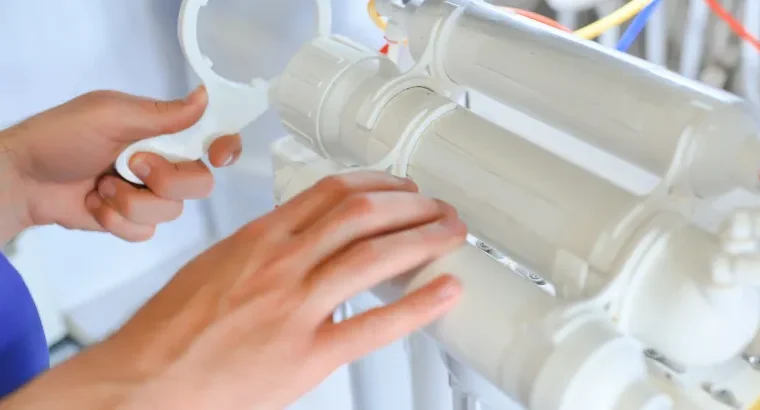
For homes experiencing excessive mineral buildup, selecting the right water softening solution can significantly improve water quality throughout the entire house. Instead of treating symptoms individually, softening addresses one of the root causes behind many common household frustrations.
It’s a practical improvement that quietly benefits nearly every room in the home.
Hard Water Affects More Than Plumbing
When people think about hard water, they usually picture stained faucets or cloudy dishes. But its effects extend much further.
Laundry often feels rough because minerals remain trapped within fabric fibers. Soap struggles to create rich lather, leading many families to use more detergent than necessary. Hair may appear dull, while skin sometimes feels dry or irritated after bathing.
These everyday hard water problems influence routines that most people repeat dozens of times each week.
Once treated water becomes part of daily life, many homeowners immediately notice softer clothing, smoother showers, and less time spent cleaning stubborn mineral residue.
Protecting Your Appliances Saves Money
Household appliances represent a significant investment, yet water quality often determines how efficiently they operate over time.
Water heaters coated with mineral scale require more energy to heat water. Dishwashers may lose cleaning efficiency, while washing machines and coffee makers experience gradual internal buildup.
Although these changes happen slowly, they can shorten equipment lifespan and increase utility costs.
Proper water treatment helps minimize these issues, allowing appliances to perform closer to their intended efficiency while reducing unnecessary repairs.
In many cases, prevention is considerably less expensive than replacement.
Testing Before Buying Is Always Smart
It’s tempting to purchase water treatment equipment immediately after noticing problems. However, testing should always come first.
Professional water analysis identifies hardness levels, pH balance, chlorine, sediment, iron, manganese, sulfur, and other characteristics unique to your home’s water.
Without those results, homeowners may spend money solving the wrong problem—or only part of it.
Accurate testing provides confidence that every recommendation matches the actual conditions entering your plumbing system.
That knowledge makes every investment more worthwhile.
Reliable Systems Deliver Better Long-Term Results
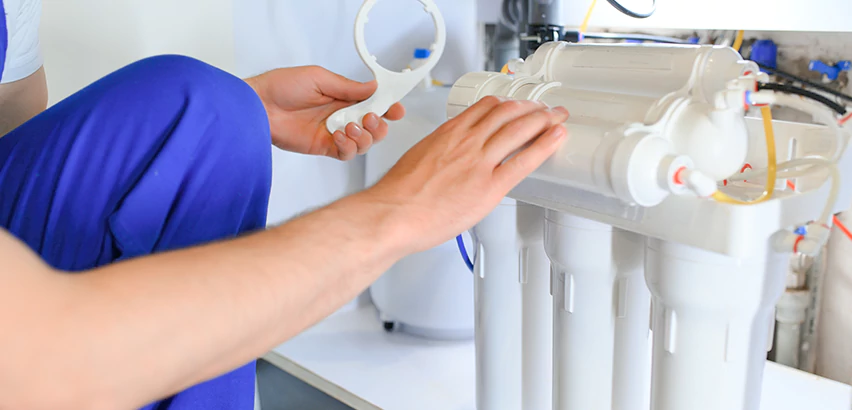
Installing quality equipment is only part of the equation. Long-term performance depends on proper sizing, professional installation, and routine maintenance.
Filters eventually require replacement. Softeners benefit from periodic inspections, and occasional servicing helps ensure everything continues operating efficiently.
Well-maintained systems provide consistent water performance, giving homeowners dependable results day after day without constant adjustments or unexpected surprises.
When equipment is properly cared for, it becomes one of those household systems you barely think about because it simply works.
Small Improvements Create a Better Home
One of the most rewarding aspects of improving water quality is that the benefits quietly become part of everyday living.
Coffee tastes cleaner without changing your favorite beans. Glassware sparkles with less effort. Laundry feels softer, showers become more enjoyable, and cleaning bathrooms requires a little less elbow grease.
None of these improvements are dramatic on their own, yet together they create a home that’s noticeably easier to maintain and more comfortable to live in.
Water touches nearly every part of daily life, making it one of the few household investments that delivers value every single day. By understanding your water, choosing treatment based on real testing, and maintaining quality equipment over time, you’re not just protecting your plumbing—you’re improving the experience of living in your home.
Sometimes the most meaningful upgrades aren’t the ones everyone notices immediately. They’re the ones that quietly make ordinary moments feel just a little better, day after day, without asking for attention in return.