
Water often fades into the background until it becomes a problem. A restaurant notices cloudy glasses despite spotless washing. A manufacturing facility deals with mineral buildup that keeps interrupting production. An office finds employees constantly complaining about the taste of tap water. These little frustrations usually point toward one thing: the existing water system isn’t keeping up with the demands of the business.
It’s interesting how something as ordinary as water can quietly influence customer satisfaction, equipment lifespan, operating costs, and even employee morale. Many companies spend thousands on modern machinery while overlooking the water flowing through it every day. Eventually, though, water quality catches everyone’s attention.
The good news is that improving water doesn’t have to be complicated. With the right approach, businesses can reduce maintenance headaches, improve efficiency, and create a healthier environment without constantly dealing with recurring issues.
Understanding Why Commercial Water Quality Matters
Every commercial property has different water requirements. A hotel needs spotless water for guest rooms and laundry. A medical facility relies on clean water for sanitation. Cafés want beverages that taste consistent every single time.
Municipal water supplies are generally safe, but “safe” doesn’t always mean ideal for commercial use. Hard water minerals, chlorine, sediment, dissolved solids, and other contaminants can slowly affect plumbing systems, appliances, and product quality.
What’s tricky is that many problems develop gradually. Mineral deposits build over months. Heating equipment loses efficiency little by little. Coffee machines require frequent cleaning. Ice makers stop producing crystal-clear cubes. Because these changes happen slowly, businesses often accept them as normal operating expenses.
They’re not.
Hard Water Can Cost More Than You Think
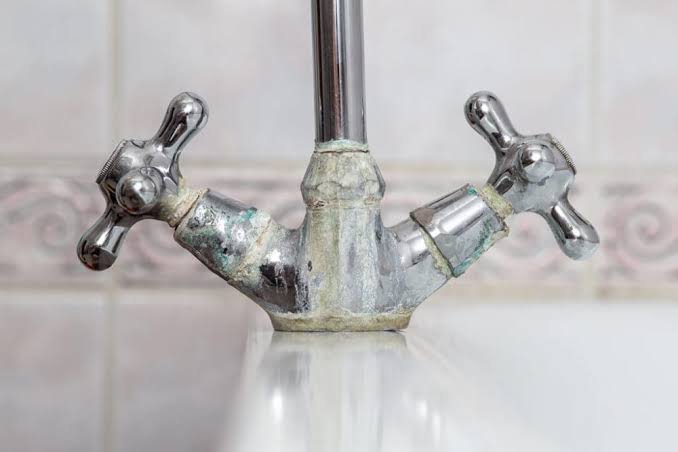
Hard water is among the most common challenges businesses face. Calcium and magnesium naturally present in water leave stubborn deposits inside pipes, boilers, dishwashers, water heaters, and industrial equipment.
Those mineral deposits create more resistance, meaning equipment has to work harder while consuming additional energy. Maintenance becomes more frequent, replacement parts wear out faster, and operating costs quietly rise.
Installing commercial water softeners can significantly reduce these issues. By removing hardness minerals before water reaches critical equipment, businesses often experience fewer breakdowns, lower maintenance costs, and longer equipment life. It’s one of those investments that tends to pay for itself over time, especially in facilities that use large volumes of water every day.
Clean Water Supports Better Customer Experiences
Customers rarely compliment a business for having excellent water.
But they’ll definitely notice when something feels off.
Think about restaurants where drinking water tastes heavily chlorinated. Hotels with stained shower doors. Coffee shops serving beverages that somehow taste inconsistent despite using premium beans.
Water influences countless customer touchpoints, even when people don’t consciously realize it.
Cleaner water helps produce clearer ice, brighter linens, smoother beverages, cleaner dishes, and better-tasting food. In hospitality, healthcare, food service, and retail, those small improvements add up to stronger customer satisfaction and a more professional reputation.
When Filtration Alone Isn’t Enough
Standard filters remove many visible particles and certain impurities, but some businesses require a much higher level of purification.
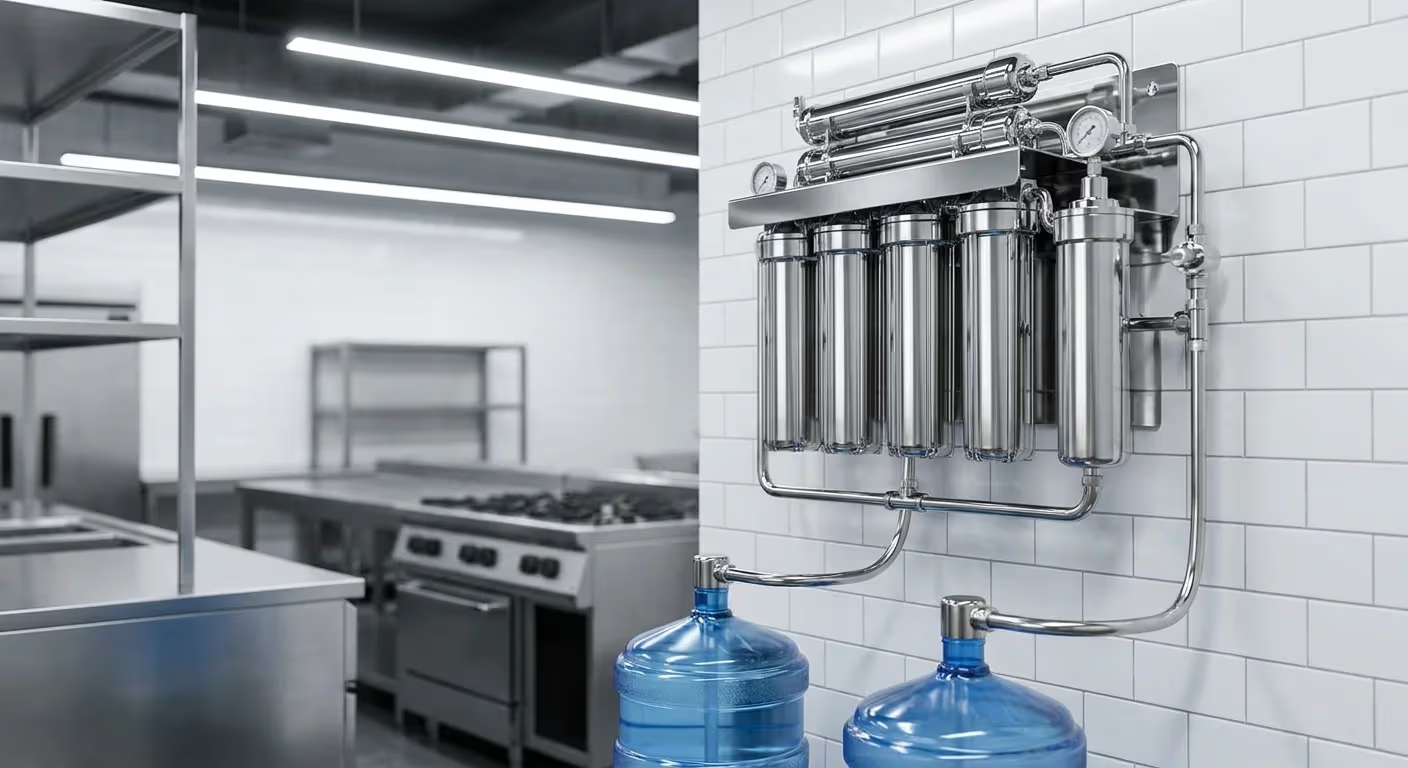
Industries like pharmaceuticals, laboratories, food processing, healthcare, and manufacturing often depend on extremely low dissolved mineral content. That’s where commercial reverse osmosis systems become valuable.
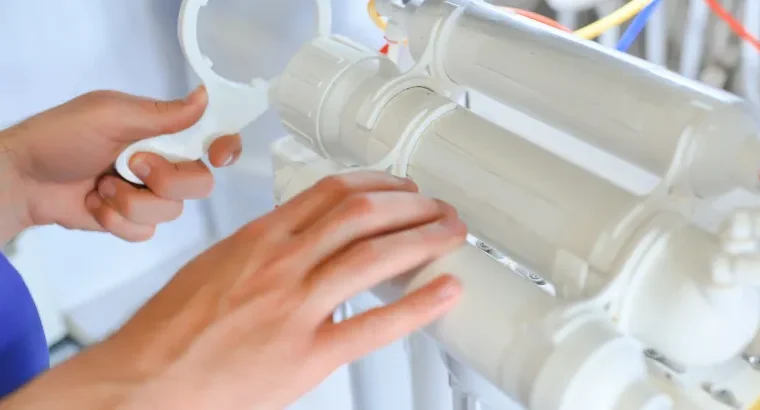
Reverse osmosis works by forcing water through a specialized membrane that removes dissolved salts, minerals, metals, and numerous contaminants that ordinary filtration cannot eliminate.
The result is exceptionally clean water suitable for demanding commercial applications. Whether it’s protecting expensive machinery, producing consistent products, or meeting industry standards, reverse osmosis offers a dependable solution where precision matters.
Every Business Has Different Water Needs
One mistake businesses sometimes make is assuming that every property should install the same equipment.
That’s rarely true.
A small bakery has different priorities than a manufacturing plant. A hotel operates differently than an office building. Even two restaurants in the same city may require completely different treatment systems based on water usage and local water conditions.
The smartest approach starts with understanding the existing water supply before choosing any equipment. Water testing helps identify hardness levels, chlorine concentration, dissolved solids, iron, sediment, and other characteristics that influence system performance.
Only then does it make sense to recommend equipment designed specifically for that environment.
Looking Beyond Short-Term Fixes
Replacing filters every few weeks or repairing scale-damaged equipment over and over again becomes expensive surprisingly fast.
Instead of constantly treating symptoms, many organizations now focus on long-term water quality solutions that address problems at their source.
This broader approach often combines several technologies depending on the application. Water softeners reduce hardness. Reverse osmosis removes dissolved contaminants. Carbon filtration improves taste and odor. UV treatment provides additional microbial protection where needed.
Rather than relying on one product to solve every issue, integrated systems create more consistent results while lowering ongoing maintenance.
Better Water Can Improve Sustainability Too
Businesses are becoming more conscious of sustainability, and water treatment plays an unexpected role in those efforts.
When equipment stays cleaner, it uses less electricity. Efficient boilers and water heaters consume less energy. Appliances require fewer harsh cleaning chemicals. Longer equipment life also means fewer replacements ending up in landfills.
Many companies additionally reduce bottled water consumption after installing reliable purification systems, cutting down on plastic waste while offering employees and visitors fresh drinking water on-site.
It’s not a dramatic overnight transformation, but these small improvements steadily contribute toward lower environmental impact.
Choosing a System That Can Grow With Your Business
Growth is exciting, but it can expose weaknesses in older water systems.
A restaurant expanding seating capacity, a hotel adding rooms, or a manufacturer increasing production may suddenly discover that yesterday’s water treatment equipment no longer meets today’s demand.
Planning ahead makes a difference.
Scalable systems allow businesses to expand capacity without replacing everything from scratch. Modular designs, higher flow rates, and adaptable treatment technologies provide flexibility as operations evolve over the years.
Thinking long-term often saves considerably more money than purchasing the smallest possible solution