
Water is one of those everyday essentials that quietly fades into the background. We turn on the faucet without thinking, fill a glass, rinse vegetables, start the dishwasher, or jump into the shower expecting everything to feel exactly as it did yesterday. Most of the time, it does.
But every now and then, water begins sending subtle signals that something has changed. Maybe your coffee tastes a little different. Perhaps the shower door needs cleaning more often, or the washing machine doesn’t seem to leave clothes feeling quite as fresh. None of these things automatically point to a major problem, yet they can be useful reminders that water quality deserves a closer look.
Learning to recognize those small clues can help homeowners make informed decisions before minor issues become expensive ones.
Water Quality Changes More Than People Realize
Many homeowners assume their water remains exactly the same year after year.
In reality, water conditions can shift because of seasonal changes, aging municipal infrastructure, plumbing repairs, groundwater variations, or naturally occurring minerals. Even neighboring homes sometimes experience noticeably different water conditions depending on plumbing materials and household systems.
That’s one reason why relying on appearance alone isn’t always enough. Water may look perfectly clear while still containing characteristics that influence taste, appliance performance, or mineral buildup throughout the home.
Understanding those differences begins with observation.
Mineral Buildup Usually Doesn’t Happen Overnight
Hard water often develops slowly enough that homeowners hardly notice it at first.
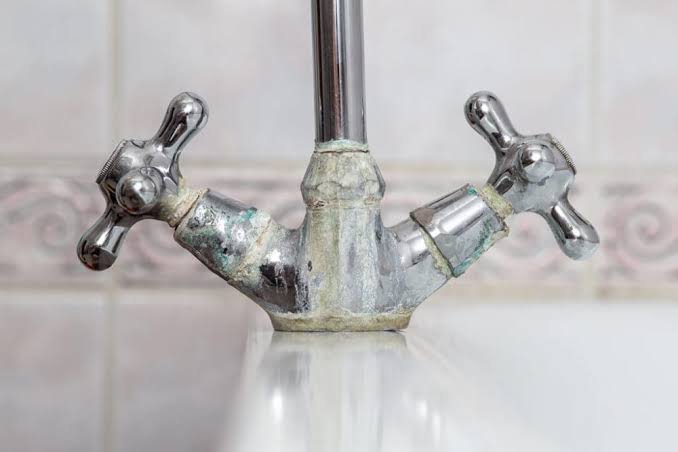
Soap becomes slightly harder to rinse away. White spots appear on clean dishes. Faucets develop chalky residue, and showerheads begin collecting mineral deposits that restrict water flow. Over time, these small changes can affect appliances as well, reducing efficiency inside water heaters, dishwashers, and washing machines.
That’s why hardness testing is such a valuable first step when homeowners suspect mineral-related issues.
Rather than guessing whether hard water is the cause, testing provides clear information that helps determine whether treatment would actually benefit the home.
Taste and Smell Can Reveal Important Clues
Water doesn’t need to look unusual for something to feel different.
Some homeowners notice a swimming-pool-like smell when filling a glass. Others detect a metallic flavor, an earthy scent after rainfall, or an unusual taste that wasn’t there before.
Changes involving chlorine taste and odor don’t automatically indicate unsafe water, but they may influence how enjoyable water feels for drinking, cooking, coffee, tea, or preparing meals.
Many families become accustomed to these gradual changes without realizing how much they affect everyday routines.
Paying attention to those sensory differences often provides useful insight into changing water conditions.
Tiny Particles Can Tell a Bigger Story
Sometimes the most obvious clues are also the easiest to dismiss.
Perhaps the water appears slightly cloudy for a few seconds after turning on the tap. Maybe tiny particles collect inside faucet screens or settle at the bottom of a glass after standing for a while.
These sediment clues may result from harmless mineral deposits, aging plumbing, disturbed municipal water lines, or naturally occurring particles entering the home’s water supply.
Although sediment isn’t always a major concern, it deserves investigation because identifying its source helps homeowners determine whether additional filtration may be beneficial.
The important thing is understanding what’s causing the change instead of simply ignoring it.
Your Appliances Notice Water Too
Water quality affects much more than drinking glasses.
Every dishwasher cycle, laundry load, coffee maker, ice machine, and water heater depends on the same supply flowing through your home’s plumbing. Hard minerals gradually accumulate inside equipment, reducing efficiency while increasing wear over time.
When appliances begin requiring more frequent maintenance or performance starts declining, water quality sometimes plays a larger role than homeowners realize.
Protecting household equipment often becomes one of the biggest long-term advantages of understanding your water.
Why Testing Makes Sense
It’s tempting to purchase filtration equipment based on online reviews or recommendations from friends.
The challenge is that every home’s water is different.
Professional testing removes uncertainty by identifying specific water characteristics before treatment decisions are made. Instead of installing equipment designed for problems you may not actually have, testing allows homeowners to choose solutions based on facts rather than assumptions.
That approach usually provides better results while avoiding unnecessary expenses.
Knowledge almost always proves more valuable than guesswork.
Better Water Improves Everyday Comfort
Many homeowners expect water improvements to affect only drinking water.
What often surprises them is how many small parts of daily life become easier.
Hair feels softer after showering. Soap lathers more effectively. Towels stay fluffier. Glassware dries with fewer spots. Coffee tastes cleaner. Appliances often perform more efficiently because mineral buildup is reduced.
These improvements may seem subtle individually, yet together they create a noticeably more comfortable home environment.
Sometimes it’s the accumulation of small benefits that delivers the greatest overall value.
Maintenance Helps Keep Water Consistent
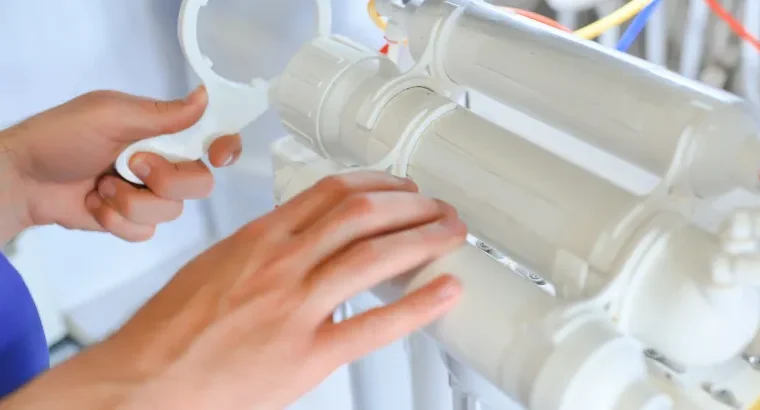
Water treatment systems, like any household equipment, perform best when properly maintained.
Replacing filters on schedule, replenishing softener salt when necessary, inspecting equipment periodically, and following manufacturer recommendations all contribute to consistent water quality.
Routine maintenance also allows professionals to identify small concerns before they become larger issues.
Protecting your investment doesn’t usually require much effort, but it does make a meaningful difference over the long term.
Paying Attention Today Can Prevent Problems Tomorrow
Water quietly influences almost every part of daily life, yet it’s often overlooked until obvious problems appear.
Fortunately, most water quality issues begin with subtle warning signs rather than sudden emergencies. A different taste, unusual odor, cloudy dishes, mineral deposits, or changing appliance performance all provide opportunities to investigate before larger concerns develop.
Understanding your water isn’t about expecting problems everywhere. It’s about making informed decisions based on what your home is actually experiencing.
When homeowners take those small clues seriously and learn what’s happening beneath the surface, they often discover simple solutions that improve comfort, protect plumbing, extend appliance life, and create greater confidence in the water their families use every day.
Sometimes the smartest home improvement doesn’t begin with new equipment at all. It begins with paying closer attention to something you’ve been using all along.