There’s something interesting happening in India’s automotive space right now. It’s not loud like EVs, not flashy like autonomous driving tech—but it’s quietly building momentum. Flex-fuel vehicles. You might’ve heard the term here and there, maybe in a news snippet or a government announcement, but the real question is—are they actually going to matter?
Let’s unpack that, slowly, without the hype.
What Exactly Are Flex-Fuel Vehicles?
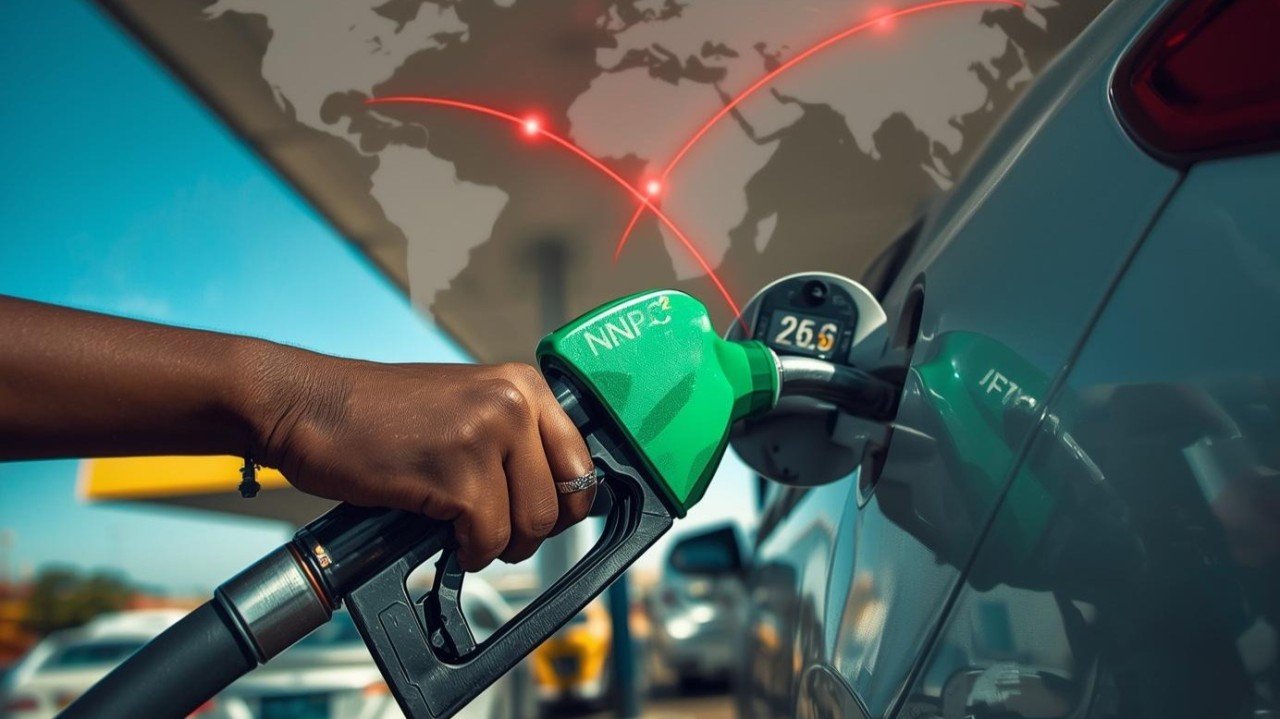
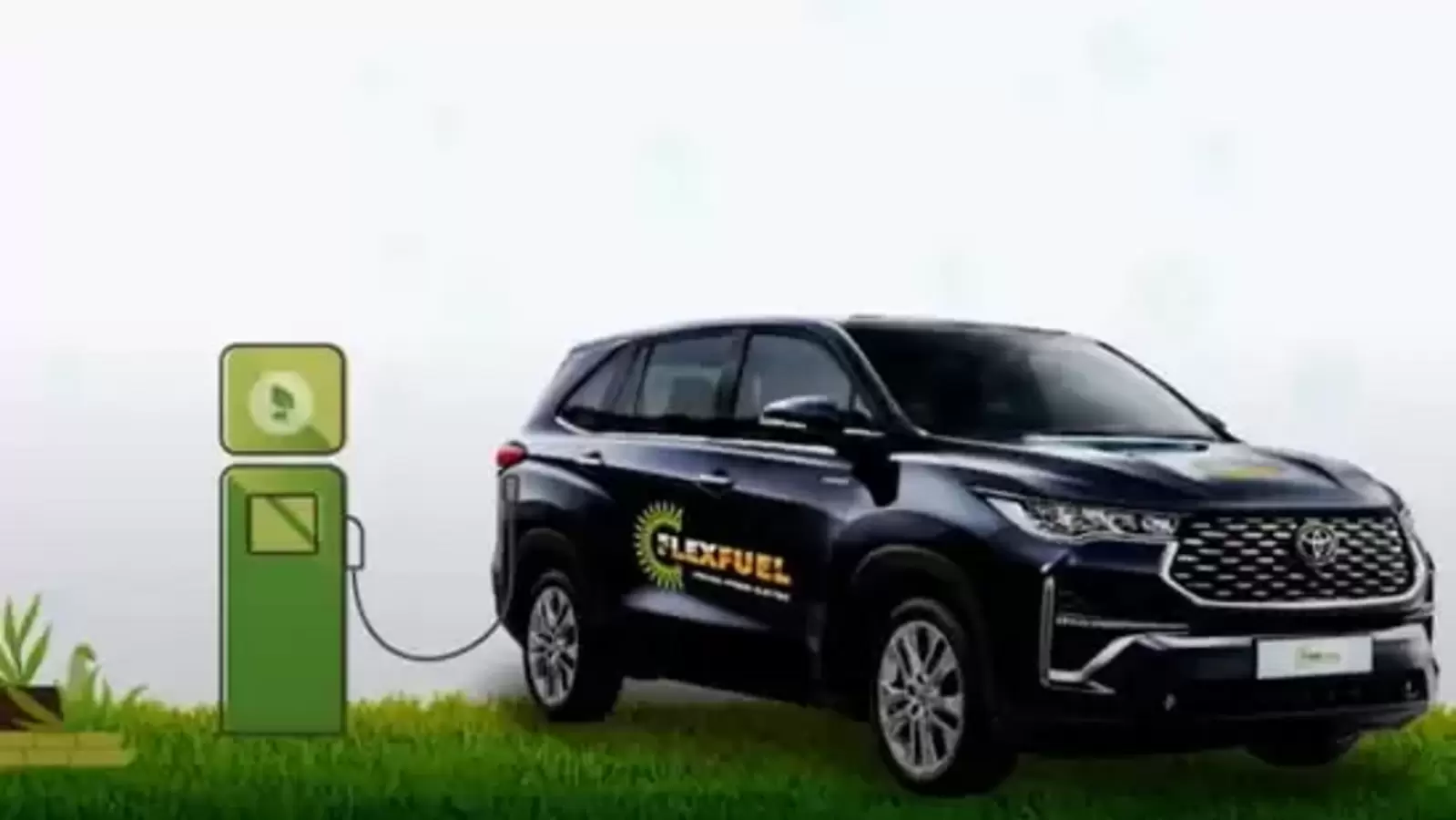
In simple terms, flex-fuel vehicles (FFVs) are cars that can run on more than one type of fuel—typically a mix of petrol and ethanol. The most common blend globally is E85, which is 85% ethanol and 15% petrol.
The idea isn’t exactly new. Countries like Brazil have been running on ethanol blends for decades. But in India, this concept feels… almost experimental still.
And yet, there’s a reason it’s getting attention.
Why India Is Even Considering This Shift
India imports a huge chunk of its crude oil. That’s not just an economic issue—it’s strategic. Every time global oil prices spike, it trickles down into everything: fuel, transport, inflation.
Now, ethanol? That can be produced locally—from sugarcane, corn, even agricultural waste.
So suddenly, it’s not just about fuel. It becomes about farmers, rural economy, and reducing dependency on imports. A kind of chain reaction.
You can see why policymakers are pushing this.
Government Push and Real-World Progress
The Indian government has been pretty vocal about ethanol blending targets. Moving from E10 (10% ethanol) to E20 and beyond isn’t just a suggestion—it’s actively being implemented.
Car manufacturers like Maruti Suzuki and Toyota have already showcased flex-fuel prototypes. You’ll probably see more announcements in the coming years.
But here’s the catch—announcements are easy. Adoption? That’s where things get messy.
The Infrastructure Problem Nobody Talks About Enough
Even if flex-fuel cars become widely available, where do you fill them up?
Fuel stations need to offer higher ethanol blends consistently. Storage, supply chain, logistics—it all needs to align. And India is still in the early stages of that.
You can’t expect someone to buy a flex-fuel car if they’re unsure whether they’ll find the right fuel on a highway trip.
This is where EVs actually have an edge—charging infra is visible, talked about, tracked. Ethanol infrastructure? Still kind of behind the scenes.
Cost Factor: Will It Actually Save Money?
On paper, ethanol is cheaper than petrol. But efficiency matters too.
Ethanol has lower energy density, which means your mileage might drop slightly compared to pure petrol. So while the per-liter cost is lower, the real savings depend on usage patterns.
For daily city driving? Might work out fine. Long highway drives? You might feel the difference.
It’s not a dealbreaker—but it’s not a miracle solution either.
Environmental Angle: Cleaner, But Not Perfect
Flex-fuel vehicles are often marketed as eco-friendly. And yes, they do emit fewer greenhouse gases compared to pure fossil fuels.
But ethanol production isn’t completely clean either. It requires water, land, and energy. If not managed properly, it can create its own environmental stress.
So it’s better—but not perfect. Think of it as a transition step, not the final destination.
Consumer Mindset: The Real Game Changer
Let’s be honest—Indian buyers are practical.
People don’t just buy cars for technology or sustainability. They look at resale value, mileage, maintenance, and convenience.
Right now, EVs are getting attention because they feel “future-ready.” Flex-fuel vehicles? They’re still trying to find their identity in the market.
That’s why the big question remains:
India me flex-fuel vehicles ka future kitna strong hai?
The answer isn’t black and white.
So, What Does the Future Actually Look Like?
Flex-fuel vehicles might not replace petrol cars overnight. They might not even compete directly with EVs in urban markets.
But they could quietly dominate in semi-urban and rural areas—places where charging infrastructure is limited, but agricultural resources are abundant.
Think tractors, commercial vehicles, maybe even budget passenger cars.
It’s not about being the most advanced technology. It’s about being the most practical one for a specific segment.
And India, with its diversity, doesn’t really operate on a one-size-fits-all model anyway.
Final Thoughts: Not a Revolution, But a Smart Move
Flex-fuel vehicles in India feel less like a revolution and more like a calculated adjustment. A way to balance economics, sustainability, and practicality without going all-in on one solution.