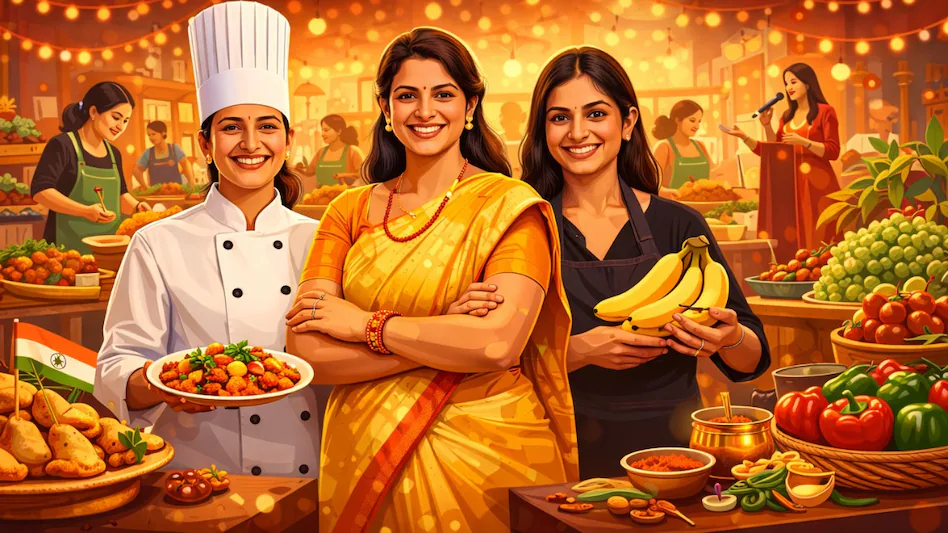
If you’ve ordered food online in the last year—and let’s be honest, most of us have—you’ve probably eaten from a place you’ve never seen. No storefront, no signboard, no neatly arranged tables. Just a name on an app, a menu that looked tempting, and food that arrived at your door.
That invisible shift is what makes the Indian food business so interesting right now. Somewhere between late-night cravings and app notifications, a new kind of restaurant has taken root—one that doesn’t need chairs or ambience to survive.
The Rise of the Invisible Restaurant
Cloud kitchens, sometimes called ghost kitchens, are exactly what they sound like—kitchens that exist purely for delivery. No dine-in option, no waiters, no overhead of maintaining a physical customer space.
And in a country like India, where food delivery apps have become second nature, this model makes a lot of sense.
Lower rent, smaller teams, quicker setup. You can launch a brand without worrying about location footfall. In fact, some operators run multiple brands from a single kitchen, each targeting a different cuisine or audience.
It’s efficient. Almost too efficient.
Meanwhile, the Traditional Dining Experience
Walk into a well-designed restaurant, though, and you’ll feel something a cloud kitchen can’t replicate.
The buzz of conversation, the smell of food drifting in from the kitchen, the quiet moment when a dish is placed in front of you—it’s not just about eating. It’s about the experience.
Dine-in restaurants offer that emotional connection. They’re where people celebrate birthdays, go on first dates, meet friends after a long week. There’s a human layer there that goes beyond food.
But that experience comes at a cost. High rents, staff salaries, interior design, maintenance—it adds up quickly.
So, Where’s the Money?
At some point, every aspiring restaurateur ends up asking the same thing: Cloud kitchens vs dine-in restaurants India me kaun zyada profitable hai?
And like most things in business, the answer depends on how you look at it.
Why Cloud Kitchens Often Win on Margins
From a purely financial perspective, cloud kitchens have a strong advantage.
Lower capital investment means you can break even faster. There’s no need to spend heavily on interiors or prime locations. Even a modest setup in a less expensive area can work if your delivery radius is right.
Operational costs are leaner too. Fewer staff, smaller space, less electricity usage. And because everything revolves around delivery, the focus is entirely on food quality and speed.
Margins, in many cases, are healthier—at least on paper.
But there’s a catch.
The Hidden Costs of Going Digital-Only
Cloud kitchens rely heavily on food delivery platforms. And those platforms take commissions—sometimes significant ones.
That eats into profits.
There’s also the challenge of brand building. Without a physical presence, it’s harder to create a memorable identity. You’re competing with hundreds of other listings on the same app, often differentiated only by ratings and discounts.
Customer loyalty? It exists, but it’s fragile. One bad experience, and switching to another option is just a tap away.
Why Dine-In Still Holds Its Ground
Despite higher costs, dine-in restaurants have their own strengths.
They build stronger brand recall. A good dining experience sticks with people. It becomes a place they return to, recommend, even celebrate.
Revenue streams are more diverse too. Beyond food, there’s potential for events, special menus, collaborations. The experience itself becomes part of what customers are paying for.
And importantly, there’s less dependency on third-party platforms. While many restaurants do offer delivery, it’s not their only lifeline.
The Real Game-Changer: Hybrid Models
Interestingly, many successful businesses in India aren’t choosing one over the other.
They’re blending both.
A restaurant might have a physical space for dine-in customers while also running a cloud kitchen operation in the background. Or they might launch delivery-only brands from their existing kitchen to maximize output.
This hybrid approach spreads risk and opens up multiple revenue channels.
It’s not perfect—but it’s practical.
What Should New Entrepreneurs Consider?
If you’re thinking about entering the food business, the decision isn’t just about profit margins.
It’s about your vision.
Do you want to create a place people remember, or a brand that scales quickly? Are you comfortable relying on digital platforms, or do you want more control over customer interaction?
There’s no universal right answer. Only what fits your goals, budget, and appetite for risk.
Final Thoughts
India’s food industry is evolving in a way that feels both exciting and slightly unpredictable.
Cloud kitchens have made it easier to start. Dine-in restaurants continue to offer depth and connection. And somewhere in between, new models are emerging—blurring the lines.
Profitability, in the end, isn’t just about numbers. It’s about sustainability, adaptability, and understanding your customers.
Because whether it’s a meal served at a table or delivered to a doorstep, what people really remember is how it made them feel.
And that part? No business model can replace.