
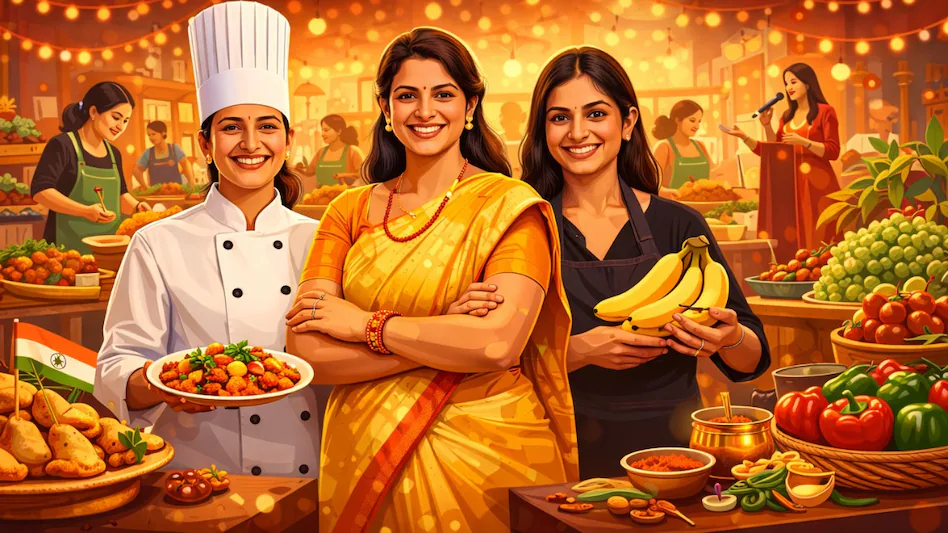
There’s something comforting about the smell of a familiar dish—something that instantly takes you back home, even if “home” is hundreds of miles away. For a long time, Indian food on the global stage felt… simplified. Butter chicken, naan, maybe biryani if you were lucky. Delicious, no doubt, but just a tiny slice of something far bigger.
Now, things are shifting. Slowly at first, then all at once. Suddenly, dishes you’d only find in a small town or a family kitchen are showing up in international restaurants, food festivals, even trendy cafés abroad. It’s not just Indian food anymore—it’s regional Indian food, and people are paying attention.
Beyond Butter Chicken: A Deeper Curiosity
For years, global audiences engaged with Indian cuisine through a narrow lens. It was approachable, familiar, and easy to market. But as food culture evolved, so did curiosity.
People started asking questions. What else is there? What do people actually eat in different parts of India?
And that’s where the magic began. Chettinad curries from Tamil Nadu, Assamese tenga, Kashmiri wazwan, Goan seafood—each region bringing something distinct, something rooted in its own history and geography.
It’s not just about taste anymore. It’s about storytelling.
The Diaspora’s Quiet Influence
Indian communities living abroad have played a huge role in this shift, even if unintentionally.
Second-generation chefs, in particular, are doing something interesting. They’re reconnecting with their roots but presenting them in a way that resonates globally. Not watering it down, but refining how it’s shared.
Restaurants in cities like London, New York, and Sydney are now showcasing regional dishes with pride. Menus are getting more specific, more honest.
And diners are ready for it.
Social Media: Turning Local Into Global
If you’ve ever stumbled upon a food reel that made you instantly hungry, you already know how powerful social media can be.
Platforms like Instagram and YouTube have become unexpected ambassadors for Indian cuisine. A street vendor in Indore or a home cook in Kerala can reach a global audience with a single video.
These aren’t polished ads. They’re raw, real, and oddly captivating. The sizzle of spices, the rhythm of cooking, the authenticity—it draws people in.
And once curiosity is sparked, it doesn’t take much for someone to want to taste it.
The Role of Travel and Experience
Travel has changed too. People aren’t just visiting places anymore—they’re experiencing them.
Food has become a central part of that experience. Tourists coming to India are exploring beyond the usual. They’re trying local thalis, street food, regional specialties. And when they go back, they carry those flavors with them.
Sometimes literally, in the form of recipes or spice mixes. Sometimes just as memories that turn into cravings.
Either way, it creates a ripple effect.
A Shift Toward Authenticity
There’s a growing preference for authenticity in global food culture. People are moving away from generic versions of cuisines and seeking something more real.
Regional Indian food fits perfectly into this shift. It’s diverse, complex, and deeply tied to tradition. No two regions cook the same way, and that variety becomes its strength.
That’s where the question—Regional Indian cuisines ka global popularity me sudden rise kyun ho raha hai?—starts to feel less surprising. It’s not sudden, really. It’s been building quietly for years, and now it’s finally getting the spotlight it deserves.
Ingredients, Health, and Flavor
Another factor? Ingredients.
Indian regional cuisines often use fresh, seasonal, and locally sourced ingredients. There’s a balance of spices, herbs, and cooking techniques that not only create bold flavors but also align with growing interest in health-conscious eating.
Turmeric, millets, fermented foods—these are no longer niche concepts. They’re part of global conversations around nutrition and wellness.
And Indian cuisines have been using them for centuries.
Challenges Along the Way
Of course, with popularity comes challenges.
Authenticity can sometimes get diluted as dishes adapt to different palates. There’s also the risk of certain cuisines getting more attention than others, leaving some regions still underrepresented.
But awareness is growing. And with it, a more respectful approach to showcasing these foods.
Where It’s All Heading
If you look ahead, it feels like we’re only scratching the surface.
More chefs are experimenting with regional flavors. More restaurants are taking risks. More people are willing to try something unfamiliar.
And that’s the beauty of it. Food becomes a bridge—connecting cultures, stories, and experiences.
A Taste of Something Deeper
At the end of the day, the rise of regional Indian cuisines isn’t just about food. It’s about identity. About telling stories that were always there, just waiting to be heard.
It’s about a grandmother’s recipe finding its way onto a global menu. About a small-town dish becoming someone’s new favorite halfway across the world.
And maybe that’s why it feels so special. Because it’s not manufactured. It’s not forced.
It’s simply… being discovered.

