A few months ago, a friend posted a photo on Instagram wearing a neon jacket that looked straight out of a sci-fi movie. I asked where she bought it. She laughed and said, “I didn’t. It’s digital.”
That moment stayed with me longer than expected.
Because, if you think about it, fashion has always been about expression—but now, it’s slowly detaching from the physical world. No fabric, no stitching, no wardrobe space. Just pixels. And strangely, people are buying into it.
What Is Digital Fashion, Really?
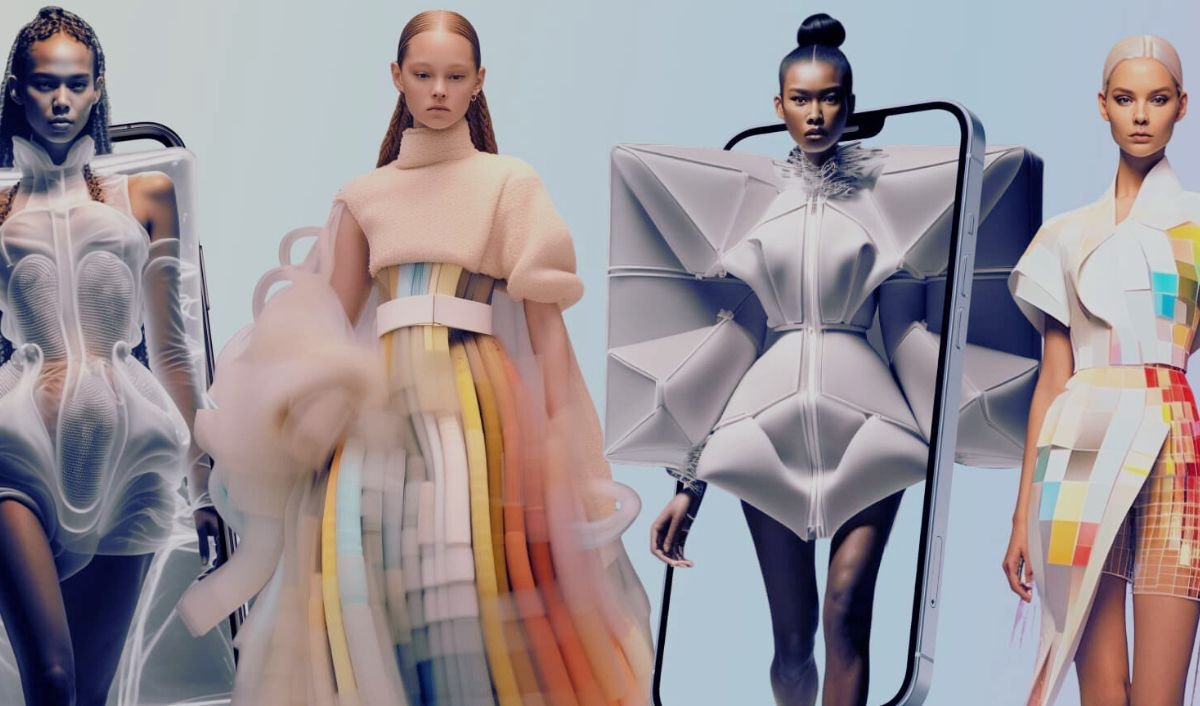
At its simplest, digital fashion refers to clothing that exists only in virtual form. You upload your photo, and a designer overlays a digital outfit onto your body. Sometimes it’s for social media, sometimes for gaming avatars, and sometimes… just for fun.
Globally, this concept has been gaining traction, especially with the rise of virtual worlds and NFTs. In India, though, it’s still in that early, experimental phase—like a trend that hasn’t fully decided what it wants to be yet.
Why Would Anyone Pay for Virtual Clothes?
It sounds odd at first. Spending money on something you can’t physically wear?
But then again, we already spend on things that exist only online—game skins, filters, premium emojis. Digital fashion is just a more sophisticated extension of that behavior.
There’s also the sustainability angle. The fashion industry is one of the largest polluters globally. Digital outfits, in theory, reduce waste. No production, no shipping, no excess inventory.
And for content creators, it opens up a whole new playground. You can wear something outrageous without actually owning it. No guilt, no clutter.
The Indian Lens
India has always had a deep relationship with fashion. From traditional textiles to modern streetwear, it’s a space filled with identity and culture.
So when digital fashion enters this mix, it doesn’t just bring technology—it brings questions.
Will people accept clothing that doesn’t physically exist? Will it feel authentic in a culture where fabric, craftsmanship, and touch matter so much?
Some early adopters are already experimenting. Influencers, especially, are trying out digital outfits for shoots. A few Indian designers are also stepping into this space, creating collections that live entirely online.
But it’s still niche. Very niche.
The Big Question Everyone’s Thinking About
At some point, curiosity turns into a more grounded thought: Digital fashion (virtual outfits) India me adoption ka future kya hai?
It’s a layered question. And the answer isn’t straightforward.
What Could Drive Adoption
One major factor is social media behavior.
In India, platforms like Instagram are already heavily visual. People care about how they present themselves online. Digital fashion fits naturally into that ecosystem. It allows for endless creativity without the cost of buying new clothes for every post.
Then there’s the gaming and metaverse angle. As more Indians spend time in virtual environments, avatars become extensions of identity. And just like in real life, those avatars need to “dress” well.
Technology is also improving. AR (augmented reality) tools are getting better at making digital clothes look realistic. Once that realism crosses a certain threshold, the hesitation might fade.
The Roadblocks That Can’t Be Ignored
Still, there are challenges.
Pricing is one. Paying for a digital outfit—especially in a price-sensitive market like India—can feel unnecessary to many.
Then there’s awareness. A large portion of the population doesn’t even know this category exists yet.
And maybe the biggest hurdle? Emotional connection.
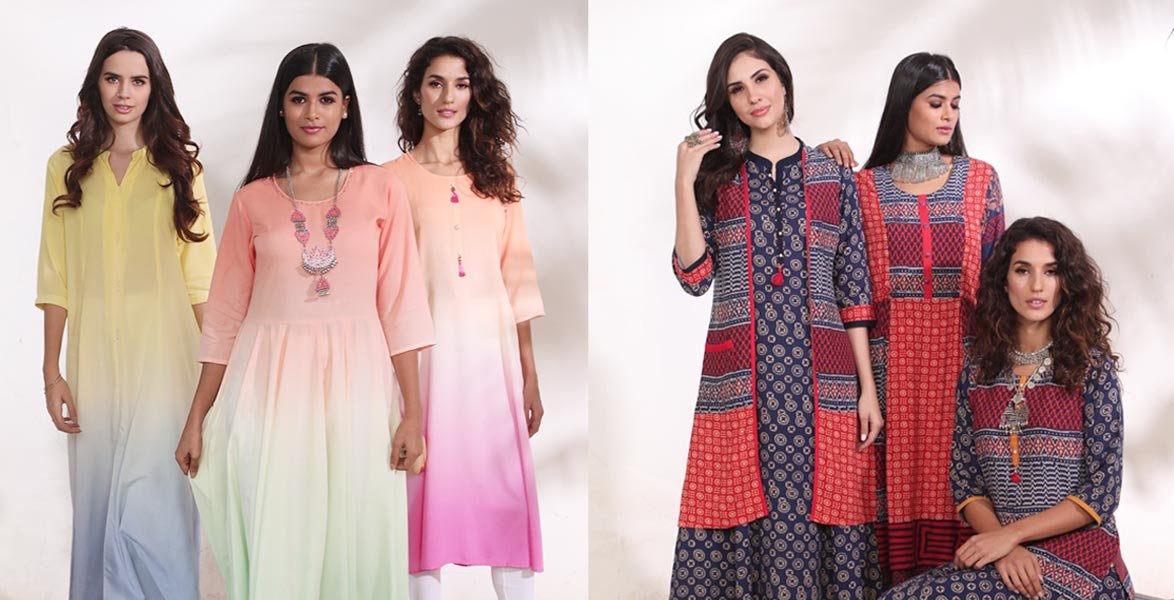
Clothes in India are more than just fashion. They’re tied to memories—weddings, festivals, family traditions. A digital saree or kurta might look stunning, but can it carry the same emotional weight?
That’s not easy to replicate.
A Slow, Interesting Evolution
If digital fashion grows in India, it likely won’t replace physical clothing. Instead, it might exist alongside it.
Think of it as an extension of identity, not a replacement.
People might wear traditional outfits for real-life occasions and experiment with digital ones online. It becomes a dual-layered expression—one for the physical world, one for the digital.
Brands, too, might explore hybrid models. Buy a physical outfit and get a digital version for your online presence. It’s already happening globally in small ways.
So, Is It Just a Trend?
Maybe. Or maybe it’s the early stage of something bigger.
India has a habit of adapting global trends in its own unique way. What starts as a niche concept often evolves into something more rooted, more relatable.
Digital fashion could follow a similar path.
Final Thoughts
Right now, digital fashion in India feels like a quiet experiment. A space where creativity is leading, and practicality is still catching up.
It’s not mainstream yet. Not even close.
But it’s intriguing.
Because at its core, fashion has always been about telling a story—about who you are, or who you want to be. And if that story can be told without fabric, without physical limits… well, that opens up possibilities we’re only beginning to understand.
Maybe one day, wearing something that doesn’t exist won’t feel strange at all.