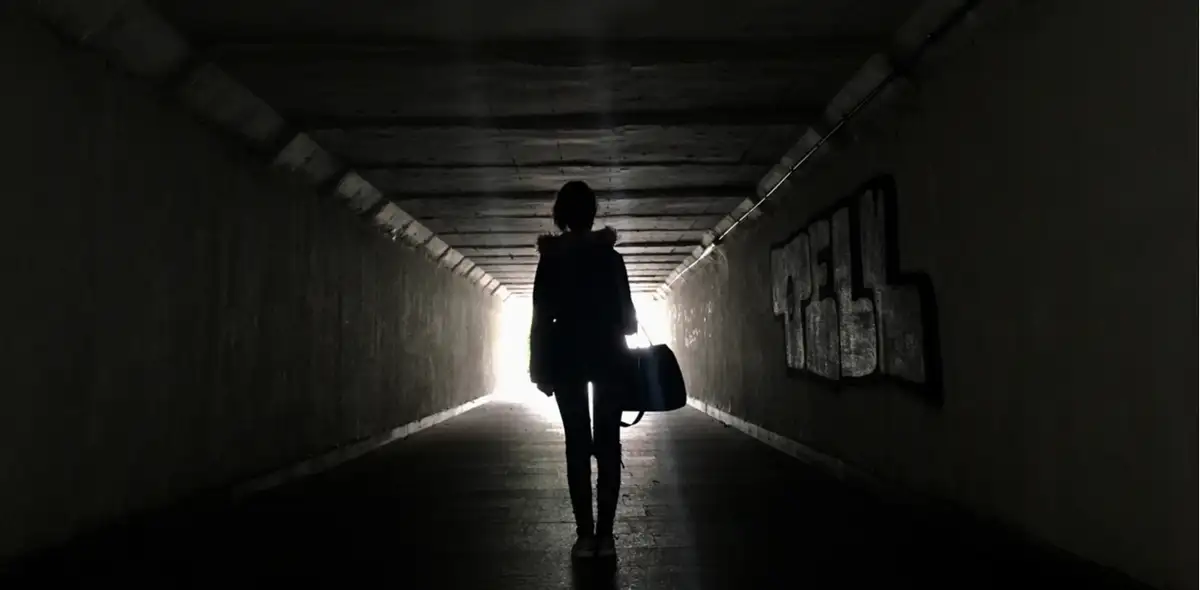
There’s a certain kind of travel that doesn’t show up in glossy brochures. It doesn’t promise relaxation or postcard-perfect views. Instead, it invites you into places that feel heavier—historical sites marked by tragedy, abandoned towns, battlefields, even locations tied to disasters.
And yet, people go.
Not out of thrill alone, but often out of curiosity. Or reflection. Or something harder to explain. In India, this kind of travel—often called dark tourism—is slowly finding its audience.
What Exactly Is Dark Tourism?
The term sounds dramatic, maybe even unsettling. But at its core, dark tourism is about visiting places associated with death, suffering, or significant historical events.
Think of locations like Jallianwala Bagh, the Cellular Jail in Andaman, or even sites connected to more recent tragedies. These aren’t “fun” destinations in the usual sense. They’re places that make you pause.
And that pause—that emotional weight—is part of the experience.
Why Are People Drawn to It?
It’s easy to assume that dark tourism is driven by a kind of morbid curiosity. And sometimes, that’s true. But often, it runs deeper.
People want to understand history, not just read about it. Standing in a place where something significant happened can make it feel real in a way textbooks never quite manage.
There’s also a reflective side. Visiting such places can be sobering. It reminds you of how fragile things can be, how quickly circumstances can change.
In a way, it’s less about the past and more about perspective.
The Indian Context Feels Different
India has a long, layered history—full of moments that are both inspiring and painful. But traditionally, travel here has leaned more toward celebration. Festivals, landscapes, food, spirituality.
Dark tourism doesn’t always fit neatly into that narrative.
Still, things are shifting.
Younger travelers, especially, seem more open to exploring unconventional destinations. Social media has played a role too—stories, reels, and posts highlighting lesser-known places are sparking curiosity.
And sometimes, that curiosity leads to places people once avoided.
The Question That’s Slowly Emerging
As interest grows, so does a more thoughtful question: Dark tourism India me emerging niche hai ya temporary trend?
It’s not just about popularity—it’s about intent, sustainability, and how this kind of travel is approached.
Signs That It’s More Than a Trend
There are a few reasons to believe dark tourism might stick around.
For one, there’s a growing appetite for meaningful travel. People aren’t just looking to “see” places anymore—they want to feel something, learn something, take something back beyond photos.
Dark tourism offers that depth.
There’s also increasing awareness about preserving historical sites. When managed respectfully, tourism can help maintain these places and keep their stories alive.
In that sense, it serves a purpose beyond just visitor numbers.
But There Are Concerns Too
Of course, it’s not without its challenges.
One of the biggest concerns is sensitivity. These sites often carry emotional weight, sometimes for entire communities. Treating them as casual tourist spots—or worse, as backdrops for social media content—can feel disrespectful.
There’s a fine line between awareness and exploitation.
Then there’s the question of infrastructure. Many such locations in India aren’t fully equipped to handle increased tourism. Without proper planning, the experience can feel incomplete—or even uncomfortable.
The Role of Responsible Travel
If dark tourism is to grow in India, responsibility will play a huge role.
Visitors need to approach these places with respect. It’s not about ticking off a checklist. It’s about understanding the significance of where you are.
Operators and authorities, too, have a role to play. Clear information, guided tours, proper maintenance—these can help shape a more meaningful experience.
Done right, it becomes less about “darkness” and more about remembrance.
A Subtle Shift in How We Travel
What’s interesting is how this trend reflects a broader change in travel behavior.
People are moving away from purely recreational trips toward experiences that feel personal. Sometimes that means exploring remote villages. Sometimes it means revisiting history—unfiltered.
Dark tourism fits into that shift, even if it feels a bit unconventional.
So, Where Is It Headed?
It’s unlikely that dark tourism will become mainstream in the same way beach vacations or hill stations are. It’s a niche, and it might always remain one.
But that doesn’t make it temporary.
It may grow slowly, quietly—finding its place among travelers who are looking for something a little different. Something more introspective.
Final Thoughts
Travel isn’t just about where you go. It’s about what stays with you afterward.
Dark tourism, when approached thoughtfully, leaves behind more than memories. It leaves questions. Reflections. Sometimes even a deeper understanding of the world.
In India, it’s still finding its footing. Still being defined.
But maybe that’s okay.
Not every journey needs to be bright and easy. Some are meant to be a little heavier—and perhaps, a little more meaningful because of it.