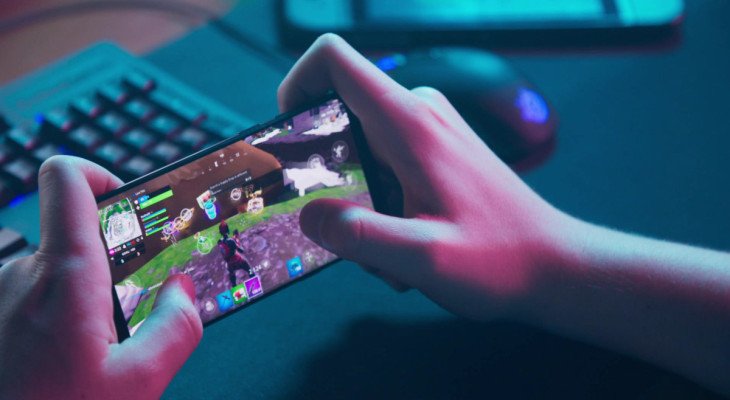
If you’ve ever been on a late-night train or just sat in a college canteen long enough, you’ve probably seen it—clusters of people, heads bent over their phones, fingers moving like they’re playing a piano at double speed. No big screens, no RGB setups, no gaming chairs. Just phones… and focus.
It didn’t look like “serious gaming” at first. More like timepass. But somewhere along the way, that casual vibe started evolving into something far more competitive.
And now, it’s hard to ignore.
Gaming Without the Barrier of Entry
For years, PC gaming had a kind of gatekeeping effect in India. Not intentionally, but practically. You needed a decent system, a stable setup, maybe even a dedicated space. Not everyone had that luxury.
Mobile gaming flipped that equation completely.
Almost everyone has a smartphone now. Affordable data—thanks in part to companies like Reliance Jio—made online gaming accessible even in smaller towns. Suddenly, you didn’t need to invest heavily to start playing.
You just needed a phone and a decent internet connection.
And that changed everything.
The Big Question That’s No Longer Ignored
As mobile tournaments grow and player bases expand, a question has started to surface more frequently: Mobile esports India me PC gaming ko kaise challenge kar raha hai?
It’s not just about numbers, although those are impressive. It’s about influence—where the attention is going, where new players are coming from, and how the ecosystem is evolving.
And honestly, mobile esports is no longer just “catching up.” In many ways, it’s leading.
Games That Built the Momentum
You can’t talk about mobile esports in India without mentioning titles like PUBG Mobile (and its Indian variant Battlegrounds Mobile India). These games didn’t just attract players—they built communities.
Friends formed squads. Local tournaments started popping up. Streamers began gaining followers. It wasn’t just gameplay; it became culture.
And because these games were designed for mobile-first experiences, they didn’t feel like watered-down versions of PC titles. They felt complete.
Accessibility Is the Real Power Move
One of the biggest strengths of mobile esports is how inclusive it is.
A student in a Tier-3 town, someone traveling daily by bus, or even a part-time worker with limited resources—they all have the same entry point. A smartphone.
That’s something PC gaming still struggles with.
It’s not just about affordability, though. It’s about convenience. You don’t need to “sit down and play.” You can play anywhere, anytime. That flexibility fits naturally into everyday Indian life.
Streaming and the Rise of Everyday Gamers
Another layer to this growth is content creation. Platforms like YouTube have made it possible for mobile gamers to build audiences without expensive setups.
A phone, a basic mic, and consistency—that’s often enough to start.
And when viewers see someone playing from a similar background, using the same kind of device, it feels relatable. There’s less distance between the player and the audience.
That relatability is powerful. It pulls more people into the ecosystem.
Competitive Scene—Not as Small as It Looks
There’s a perception that mobile esports isn’t as “serious” as PC esports. But that’s slowly fading.
Prize pools are growing. Organized tournaments are becoming more frequent. Brands are stepping in with sponsorships.
Is it at the same level as global PC esports yet? Not quite. But it’s getting there.
And more importantly, it’s growing in a way that’s tailored to India’s audience—not just copying global formats.
Where PC Gaming Still Holds Its Ground
To be fair, PC gaming isn’t disappearing.
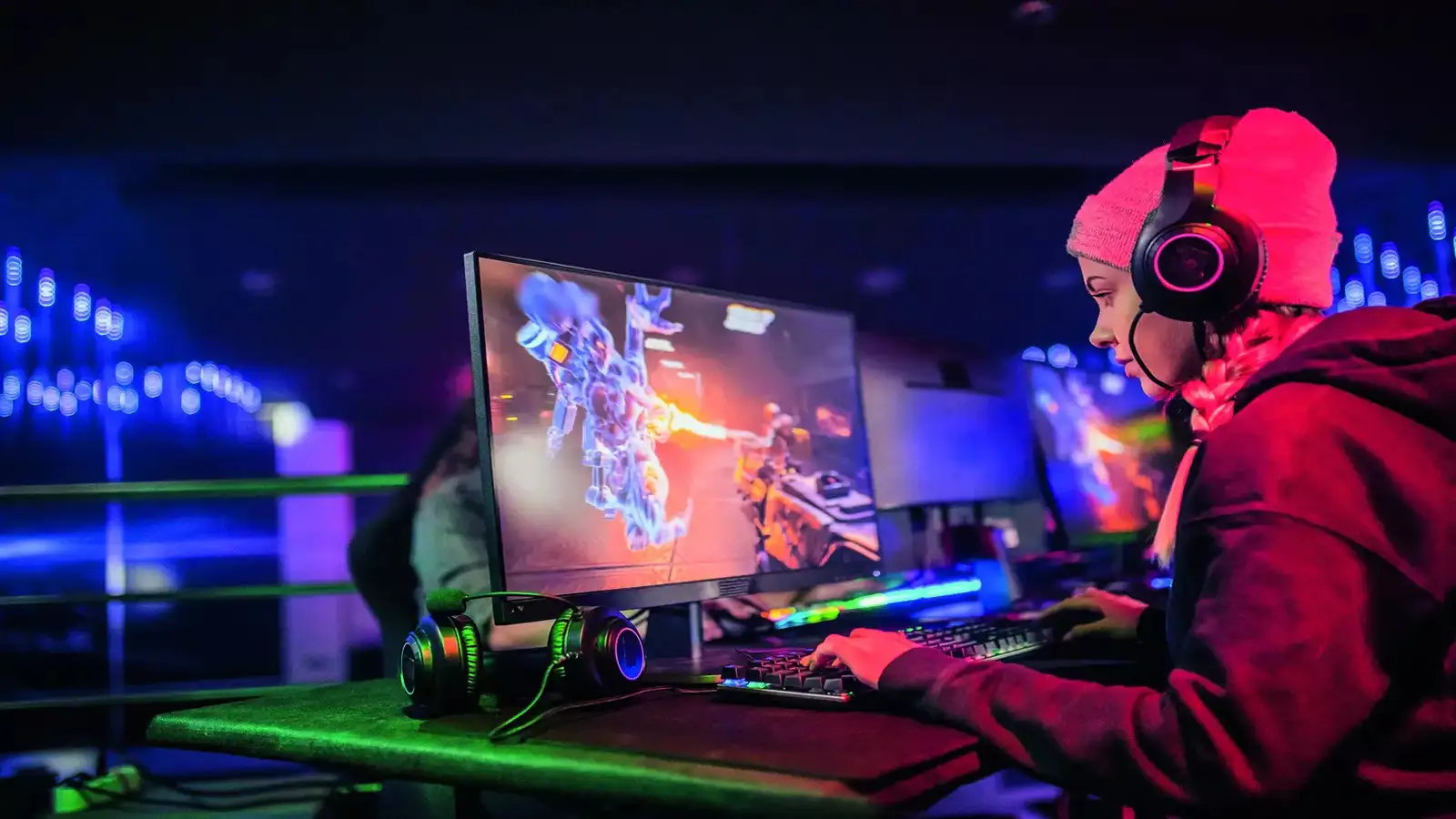
It still dominates in certain genres—like tactical shooters or strategy games. The depth, precision, and graphical capabilities of PCs offer an experience that mobile devices can’t fully replicate.
There’s also a strong community around PC gaming that values that complexity.
So this isn’t a replacement story. It’s more of a shift in balance.
The Experience Gap (And How It’s Narrowing)
One argument often made is that mobile gaming lacks the “serious” feel of PC setups. Smaller screens, touch controls—it can feel limiting.
But technology is catching up.
Better processors, higher refresh rate displays, external accessories—mobile gaming is evolving fast. Some players even use controllers or cooling devices to enhance performance.
It’s not identical to PC gaming, but it’s no longer a compromise either.
A Cultural Shift More Than a Technical One
What’s really happening here isn’t just about devices. It’s about how gaming fits into Indian life.
Mobile esports blends seamlessly into daily routines. It doesn’t demand a separate space or a specific time slot. It adapts to the user.
That flexibility makes it more than just a gaming format—it becomes part of everyday culture.
So, Where Does This Lead?
It’s unlikely that mobile esports will completely replace PC gaming. They serve different kinds of players, different preferences.
But in terms of reach, growth, and influence—mobile esports is clearly reshaping the landscape.
It’s bringing in new players, new audiences, and new opportunities.
And maybe that’s the bigger story here. Not competition, but expansion.
Because at the end of the day, whether it’s a high-end PC setup or just a smartphone held in both hands, the core feeling remains the same—a mix of focus, excitement, and that tiny rush when everything just clicks.
Only now, more people than ever get to experience it.